Paris Auto Show — European OEMs Strike Back
Support CleanTechnica’s work through a Substack subscription, on Patreon, or on Stripe. Help us produce all of the high-quality, original content we publish week after week despite the challenges of content-scraping AI, antisocial media, inflation, and other hurdles.
(But will it be enough?)
The 2026 Paris Auto Show felt different this year. Despite some notable absences (BMW, MG, most Japanese OEMs…), it was bigger than in past editions.
The bright, confident stands of Chinese automakers—from BYD to Geely to XPENG—signal a new era in Europe’s car market, one where the Chinese challengers are stealing the incumbents’ cake. Their electric models are sleek, affordable, and packed with tech and specs made to attract mainstream buyers.
European brands are clearly feeling the pressure. And it shows in their response. The new retro-futuristic reveals came with faster EV development cycles, sharper pricing strategies, and a renewed push in roots-inspired design and history-based vehicles. The message is clear — they will not lose without a fight.
After many years of warning, they have (finally!) realised that China’s automotive rise is no longer a distant thing—it’s happening right now, right here, on European soil, and the continent’s legacy manufacturers now are doing their best to respond.
And following that logic, they are reviving the city car category, which had been neglected for a long time due to profit concerns. Coincidentally, it is a segment that most Chinese OEMs have not focused on during their expansion into Europe, as the category’s slim profit margins are heavily impacted by current EU tariffs.
Now, the billion-euro question is: Will local OEMs be successful at dealing with the new, tough competition?
One thing is certain: the 2026 Paris Auto Show has become a snapshot of an industry in the middle of seismic events.
Here are some examples of models previewed in Paris that will surely sell in large volumes in the next few years in Europe:

Smart #2 — This was, in my opinion, the star of the show. After several years exploring strange lands (ahem, crossovers in many sizes and even a midsize fastback…), Smart went back to basics and recreated its tiny two-seater, now called #2. With a much larger battery (36 kWh LFP), allowing a WLTP range of 290 km, the #2 can now adventure outside of the city and into longer stretches of highway trips, with a 308-liter trunk allowing some usable space for luggage. All for a price starting at 20,000 euros. Not exactly cheap, but then again, Smart, like Mini, was never known for that … and yet people still bought them. Design-wise, it is evolution instead of revolution, keeping all the design quirks that made the Smart two-seater instantly recognizable. Sure, this will be a niche car, as a coupé version of a city car would be, but let’s not forget that, in its heyday, its predecessor sold around 100,000 units per year…. I am not expecting that much from it, but I would say that about 40,000 units is feasible, a bit more if the convertible version gets launched. So, Smart will need a second model to make this project profitable. Good thing then that they have the #4 moniker available. A four-seater version of the #2, a la Smart Forfour, could provide the necessary volume (around 30,000 units/year) to break even on their city car lineup.
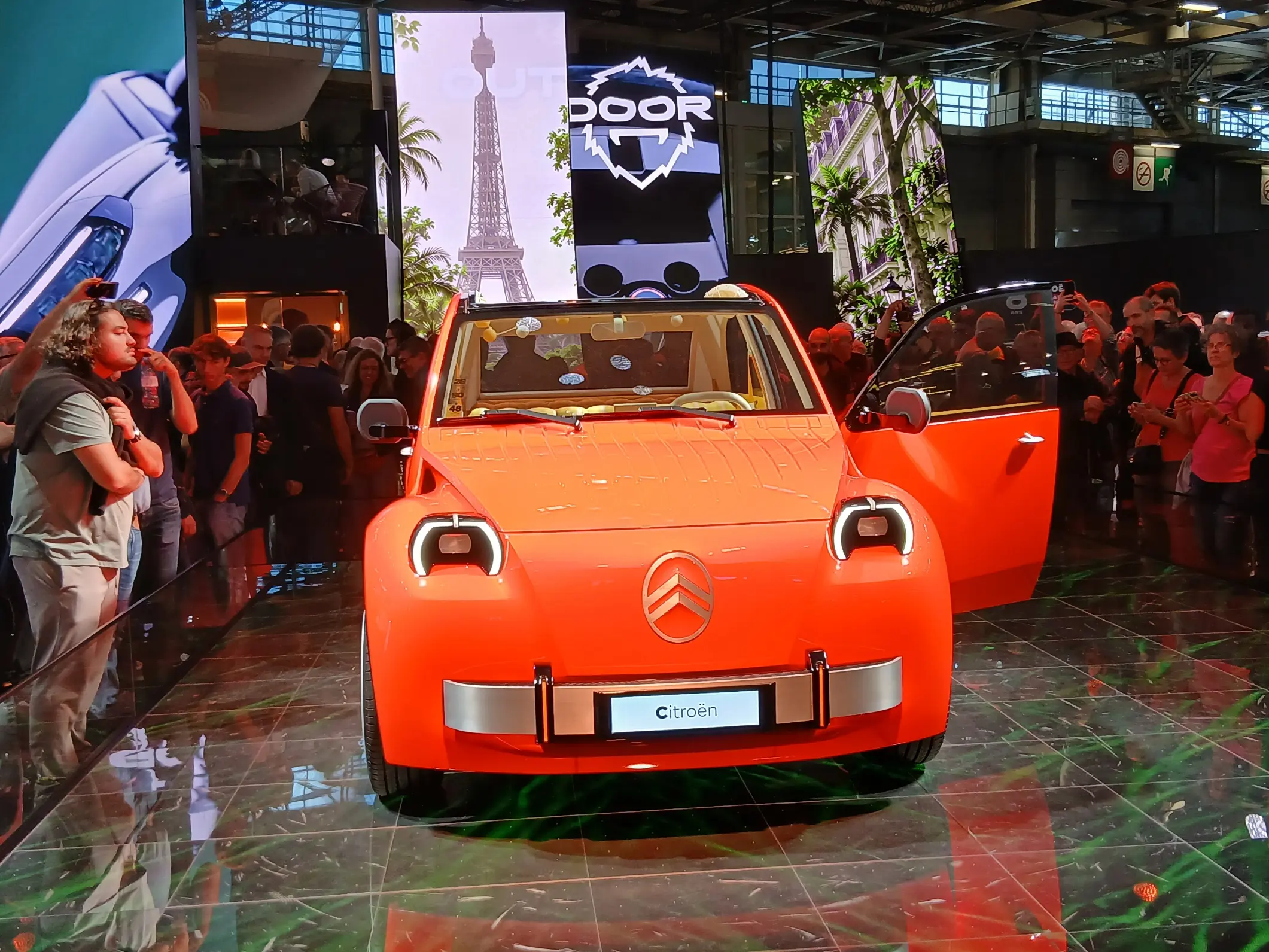
Citroën 2 CV — After seeing Renault’s success with the reinvention of the R5, R4, and Twingo, Stellantis also wanted some of the retro-inspired action. They went to visit their museum and found … the Citroen 2 CV. That would always be a tall order to reinvent, as the original was unlike anything else there was on the road. But somehow, they made it look at least as cute as the Renault Twingo or R5, without betraying the original, and with a killer price to boot—15,000 euros! Kudos, Citroen design team!
Having said that, two things left me a bit disappointed: A) It will only start being delivered in 2028. With the current status of events, several models will already be established (the Renault Twingo family, the VW ID.Up, etc.). If the 2 CV was to be launched now, it would be an instant success. In 2028 … who knows? B) The original 2 CV was in practice a compact crossover, before such a concept even existed. With the new one being smaller than the original, and without all terrain ambitions, the role of the new 2 CV will be different than the original. Personally, I would have preferred it be a bit bigger and with some off-road abilities, a la Renault 4, leaving the city car role for its future platform sibling, the next-generation Fiat Panda. Imagine a Citroen 2 CV small crossover at some 15,000–20,000 euros.… Now that would be original. As it is, it’s just another cute city car, which is always welcome, but … it won’t be the only cute city car in town. Despite all I’ve said, I believe it will sell well at some 50,000 units per year, a bit less than that of the future Fiat Panda (60,000 units), which together with the output of the third sibling of this trio, the future Leapmotor city car, will probably place the total output of this trio at some 170,000 units per year, enough for them to take a decent profit from their city car models.
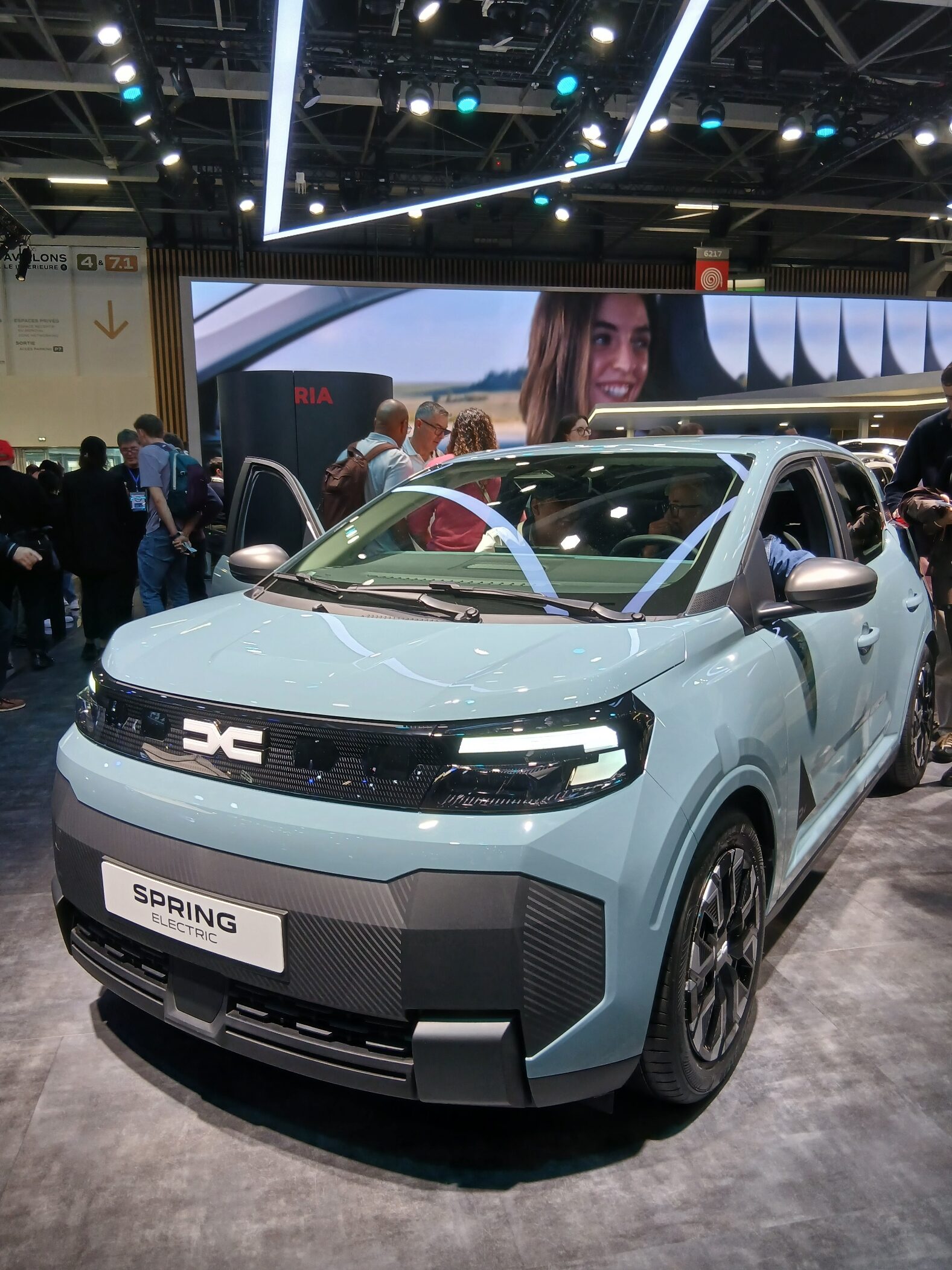
Dacia Spring — How to use the same ingredients in a different recipe and end up with a different final product. While its platform partner Renault Twingo is all fluffy and cutesy, the new Dacia Spring is … a Dacia. Only electric. With roughly the same specs as the Renault Twingo, the new Spring has more interior space, better technology and refinement, a more grown-up design, and at some 18,000 euros, it is still one of the cheapest EVs in Europe. And because it is now built in Novo Mesto, Slovenia, it has access to subsidies in a number of European countries, making it even more accessible. If the Smart #2 becomes the premium default choice in the city car category, and the Renault Twingo is the default mainstream city car, then expect the Dacia Spring to continue being the reference among those that search for value for money in small cars. As such, I expect it to reach some 50,000 to 60,000 units/year, which, added to the 60,000 of the Renault Twingo and some 10,000 of the new Nissan Pixo, will surely turn the city cars from the Renault–Nissan Alliance into a profitable endeavor.
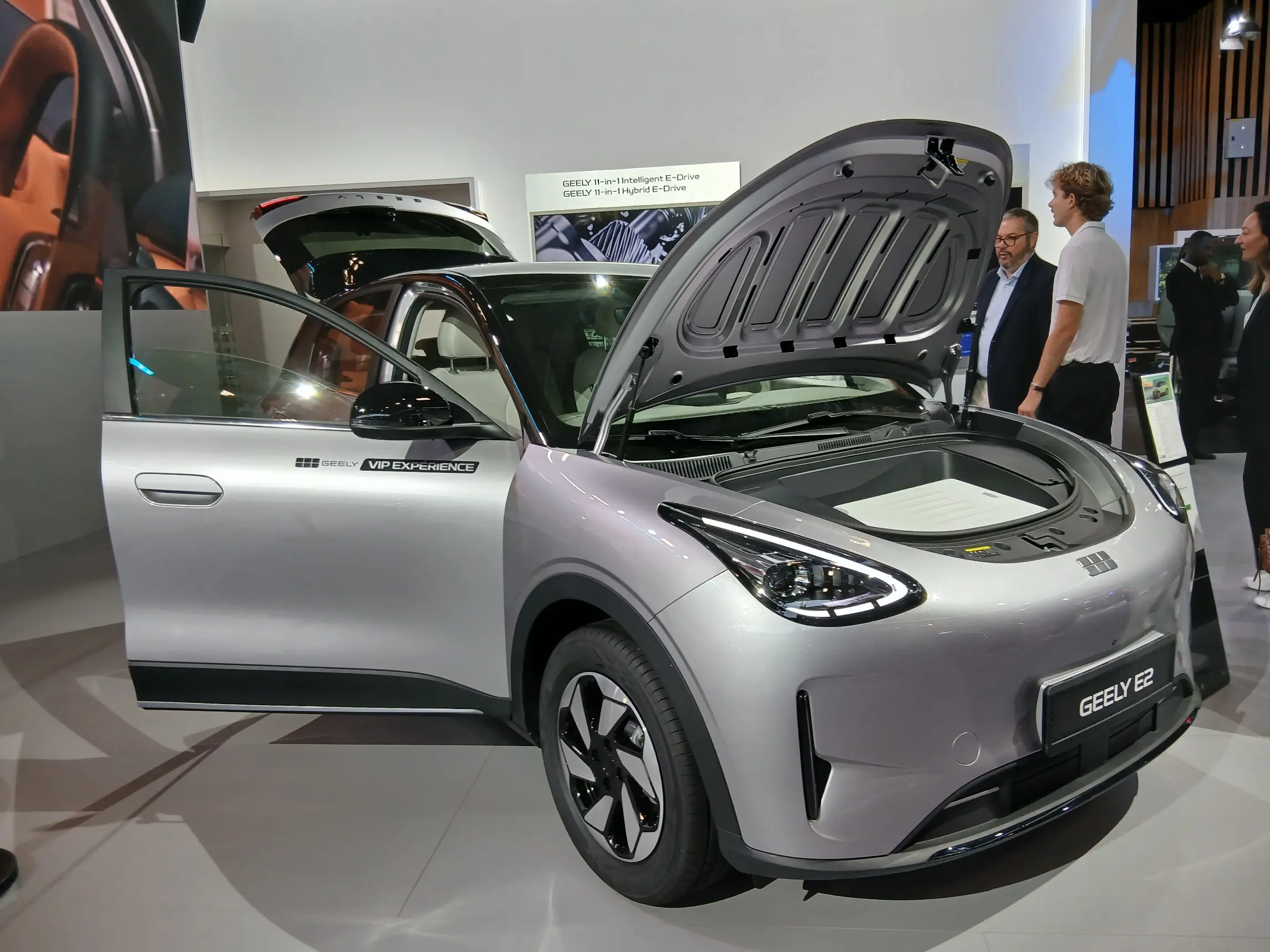
Geely E2 — While fellow stablemate Zeekr was presenting the 9X behemoth, a vehicle that would feel right at home on US soil but that looks like a pachyderm on European streets, Geely showed its E2 best seller (aka Xingyuan in China and EX2 in other export markets) in Paris. I was really looking forward to having a look at this model, considering the success it is having in China, and now elsewhere. I wanted to know what makes it more appealing than what BYD and the remaining competition have to offer. After checking it out, I found it to be quite spacious (it can even take a carry-on baggage in the frunk!) and modern, with quality materials, giving the impression that it’s a model from a segment above. Only, it is cheaper than most of its competitors in the B-segment … starting at around 20,000 euros. Looking from a purely rational point of view, it is probably the best small EV on sale in Europe — lots of space, including a 375 liter trunk, and great value for money, especially in the 47 kWh version. The only con is the fact that its most powerful version has only 116 hp and does 0–100 km/h in 11.5 seconds. So … it’s not a car to light your pants on fire. Having said that, I would say that the Geely E2 is destined to replicate the success it is experiencing elsewhere. Reaching around 60,000 units per year in Europe should be doable for the small Geely.
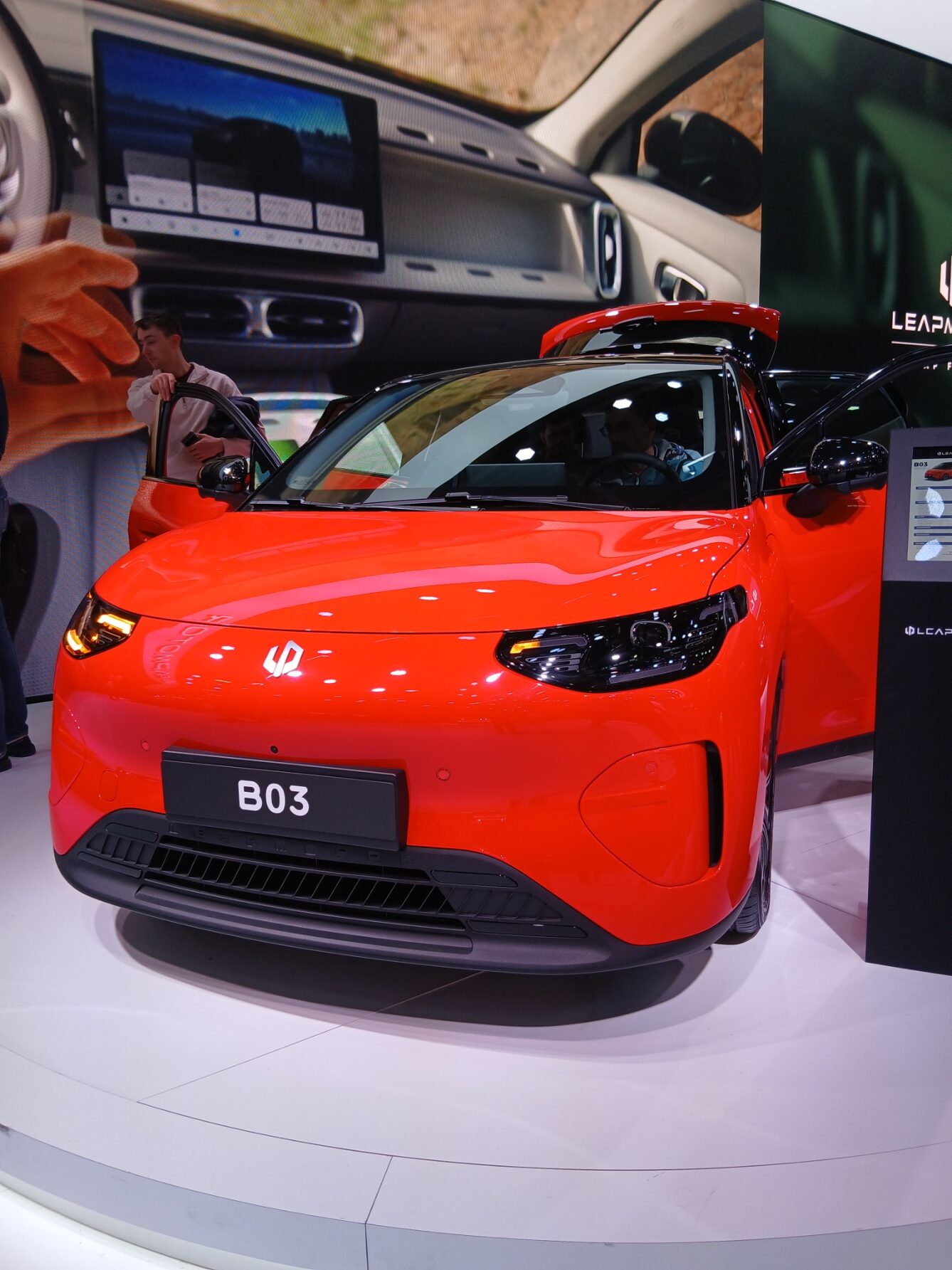
Leapmotor B03 — Hot on the heels of success stories like the Leapmotor T03 city car, the B10 compact crossover, and the B03X small crossover, the Chinese startup is now launching the B03 (aka A05 in China) small hatchback in Europe. While this model is still ramping up in its native China, Leapmotor is already eying its launch in Europe, hoping to replicate there the success it is having at home. And, like in China, the small Leapmotor has the Geely E2 as its main reference. Also quite spacious and price competitive (starting at around 20,000 euros), it compensates for a poorer choice of materials in the interior with faster charging (up to 133 kW charging, against just 70 kW for the Geely) and slightly longer range (around 50 km extra range). So, this or the Geely? Personally, I would go with the E2, just because it has better materials and slightly more space, but both are quite competitive. I guess Leapmotor will be happy if it delivers some 50,000 units per year of the small hatchback in Europe.
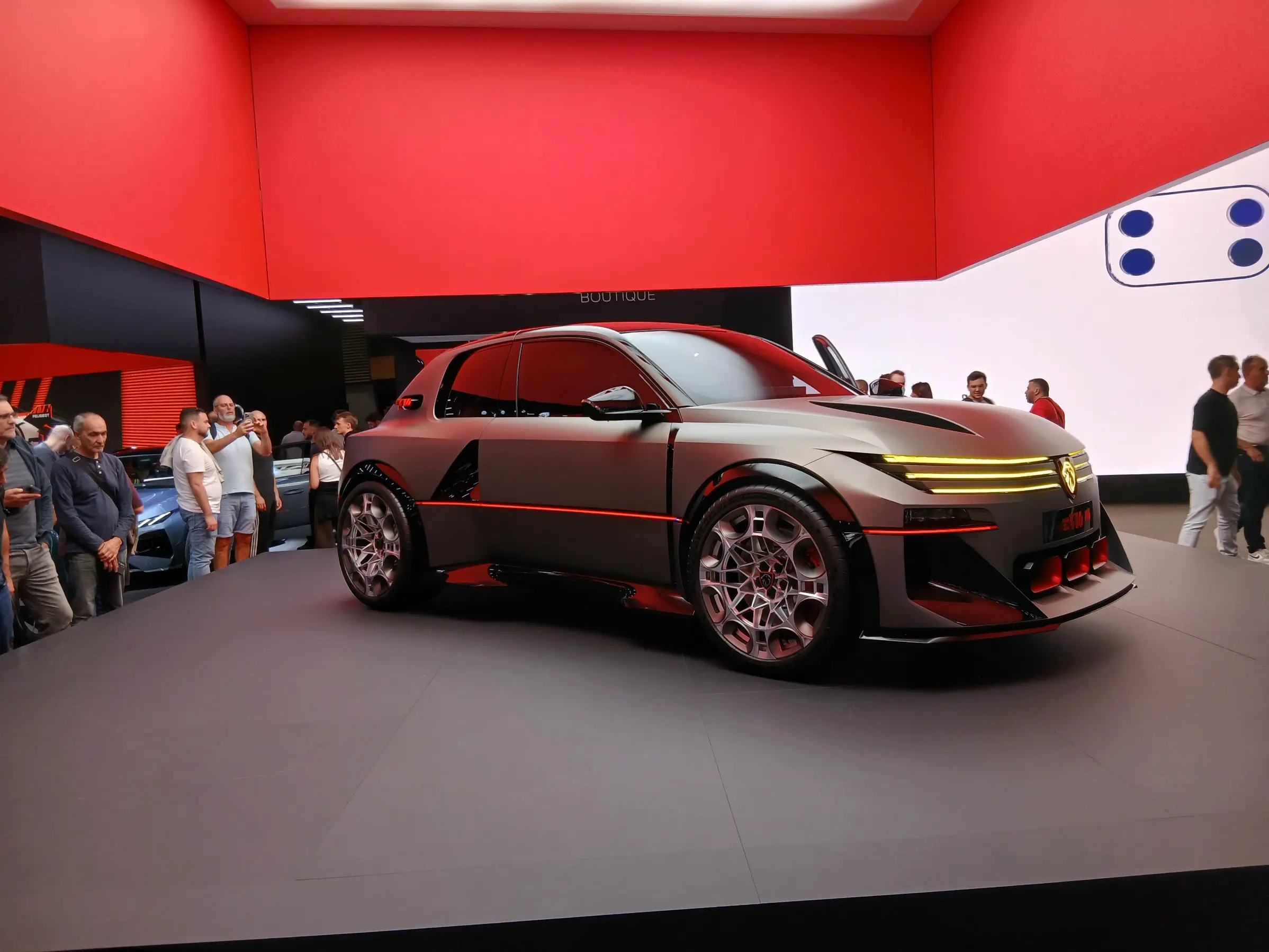
2027 Peugeot 208 — When Stellantis management went to the museum, they must have stopped next to the Peugeot 205 T16 and thought: Hmmm, now this would also fit nicely in our retro wave! And they made a T16-inspired concept to present the future lines of the next-generation Peugeot 208, while at the same time hinting they might put into production something crazy like Renault has done with the R5 Turbo 3E…. But coming back to Planet Earth and talking about the next-generation 208, with a WLTP range said to reach some 500 km and faster charging than the current 100 kW, the new Pug looks like it could become one of the references in the category regarding specs, at the cost of a higher than average price. With specs making a leap ahead and the design expected to be distinctive, the new 208 will probably win many customers’ hearts, instead of their heads. And that’s a risk that European OEMs need to make while they recover ground lost on tech, specs, and pricing. They need to take risks, be emotional, win buyers over with their designs. After all, what other choice do they have? As for the new 208, I would say that 70,000 to 80,000 units per year is a minimum target for a model that historically has been Stellantis’ best seller.
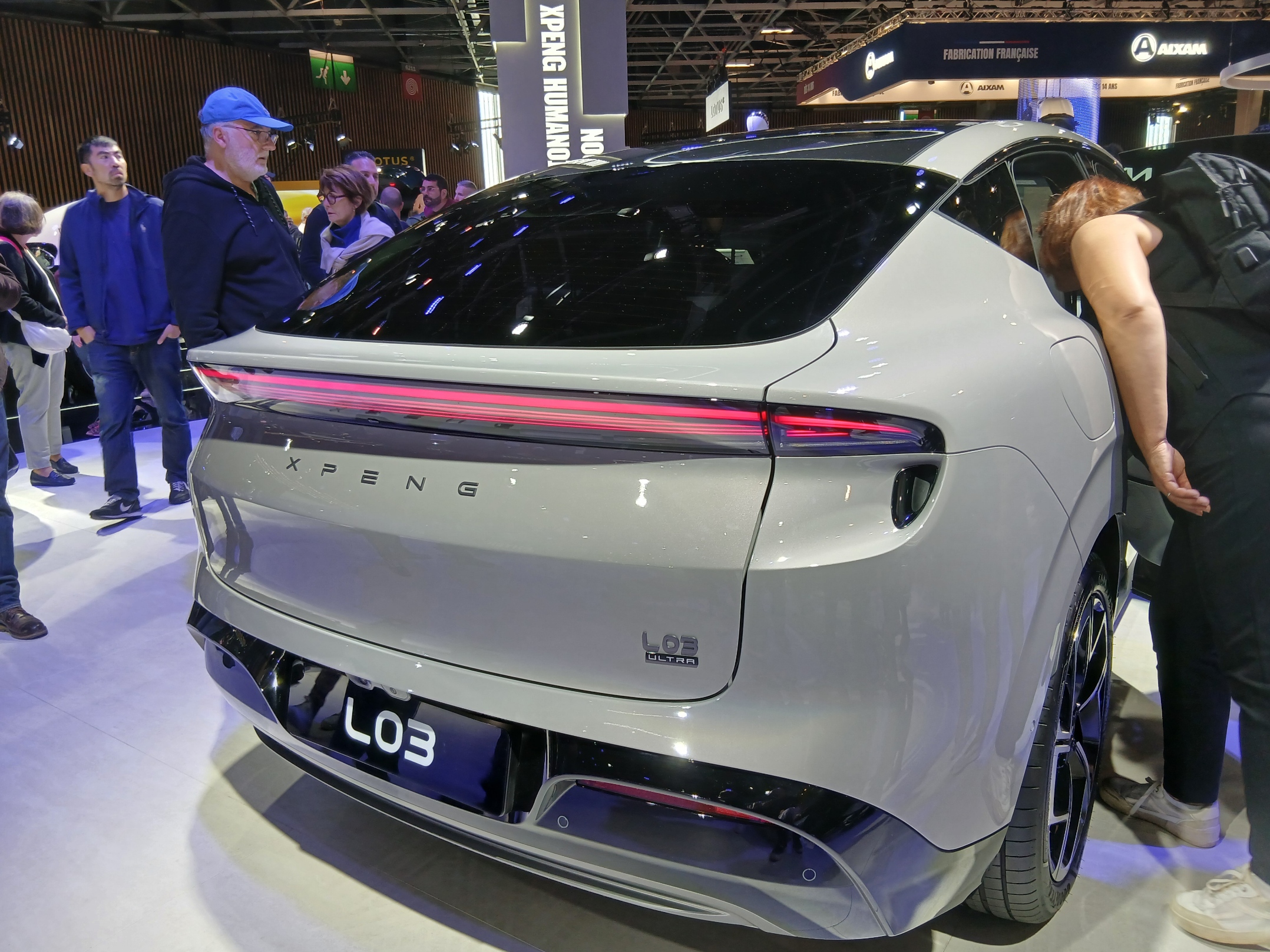
Xpeng L03 — This is Xpeng adapting to European tastes. With a front reminding one of Polestar and a back reminiscent of a Lotus, in a compact crossover body, and including an EREV version, this is the model best adapted to European tastes. But being an Xpeng, usual qualities like a large and premium interior, good specs (236 kW charging, 520 km WLTP range), advanced driver-assistance tech, and competitive pricing (starting around 35,000 euros) come with the package. So … a cheaper alternative to the almighty Tesla Model Y? Expect it to become the brand’s best seller on the Old Continent. I would say some 40,000–50,000 units per year in Europe are possible, and this number is not higher just because Xpeng’s dealer network is still limited.
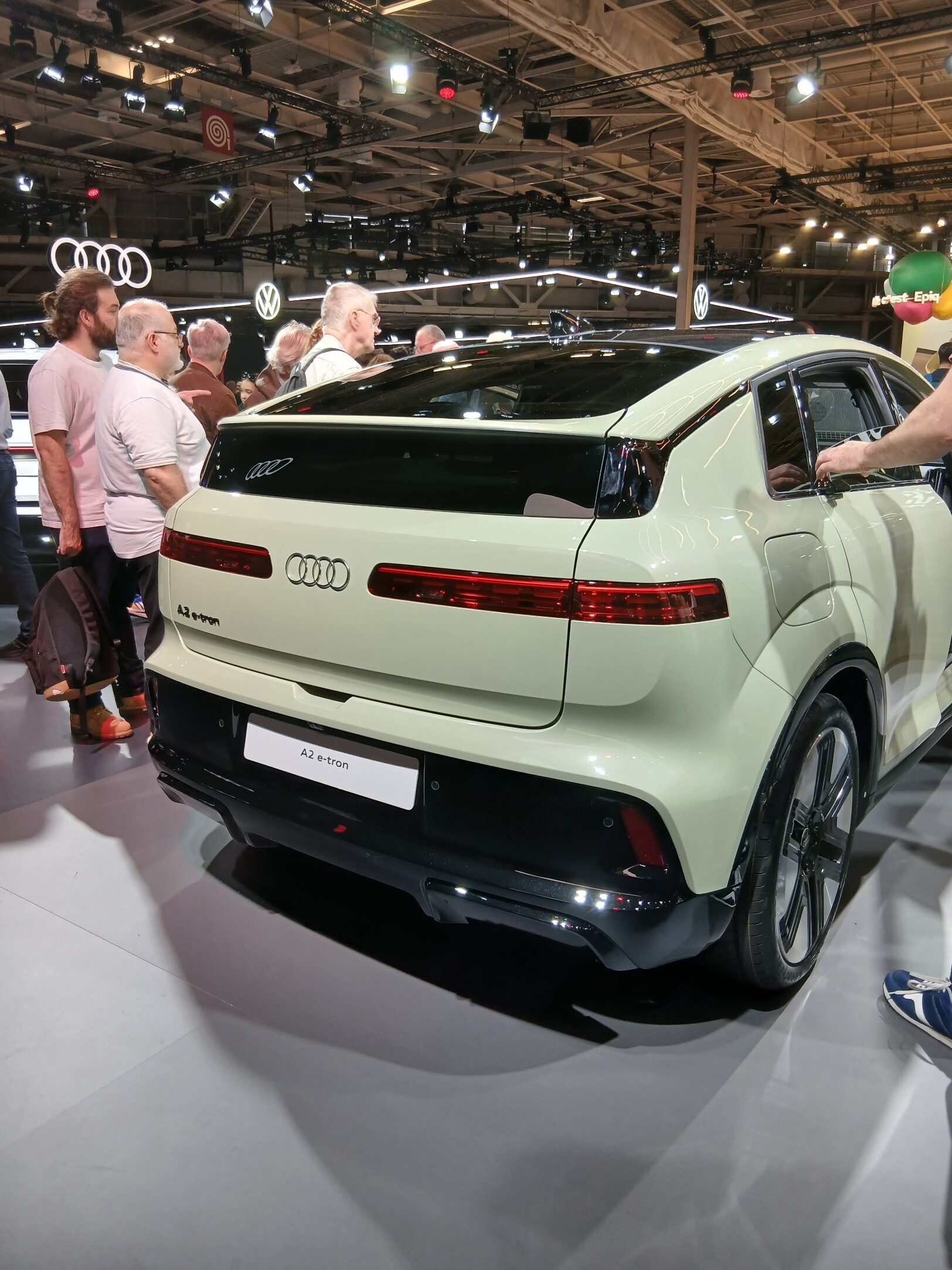
Audi A2 e-tron — To every Mini Cooper revival success, there is also a … VW New Beetle. Or a Fiat 500L. I hope the new Audi A2 e-tron doesn’t get pulled into this list, but it seems this model has been made more to ride the retro wave than anything else. Aside from some similar design quirks of the original, the VW ID.3 donor body is easily identifiable. Because that’s what this is — Audi’s take on the VW ID.3. Why did they take so long to do it? They didn’t want to hurt the Audi A3’s sales? Anyway, leaving design considerations aside, the new A2 e-tron has its own merits — like the original, it has outstanding efficiency, making it one of the compact models with the longest range (up to 646 km WLTP range). The downside is … its high price. Starting at around 38,000 euros, it is not exactly cheap. Still, there is a market for this kind of proposal, so I could see it selling some 50,000 units per year.
I was going to check out the VW ID.Cross, but … I forgot. I did go to the VW stand, but the only thing that got my attention was the ID.Polo GTI—the rest of the stand was a blur that quickly became forgotten. Still, I believe the ID.Cross will sell well—if not because of its merits, it will be from the strength that the Volkswagen badge still has in Europe. My sales target for the small VW crossover is around 45,000 units a year.
There are a few deserved mentions for other models, like Chery’s QQ3 EV, the brand’s take on the Geely E2 formula. It looks good on paper, but in the metal, it is not as attractive as either the Geely E2 or the Leapmotor B03.
The Hyundai IONIQ 3 is a sleek piece of design, a sort of Honda CRX meets electric hatchback kind of thing. Too bad the materials are a slight letdown … at least compared to the Geely E2, my new reference for B-segment/subcompact hatchbacks.
Changan’s Nevo Q05 compact crossover also showed up, and while it’s nothing out of the ordinary, it looks like a rounded product. If the price is right, it could find itself a niche in Europe.
The new Mercedes GLA EV was also there, and if it manages to replicate the GLC’s success in a smaller size, the BMW iX1 will have a worthy adversary to compete against.
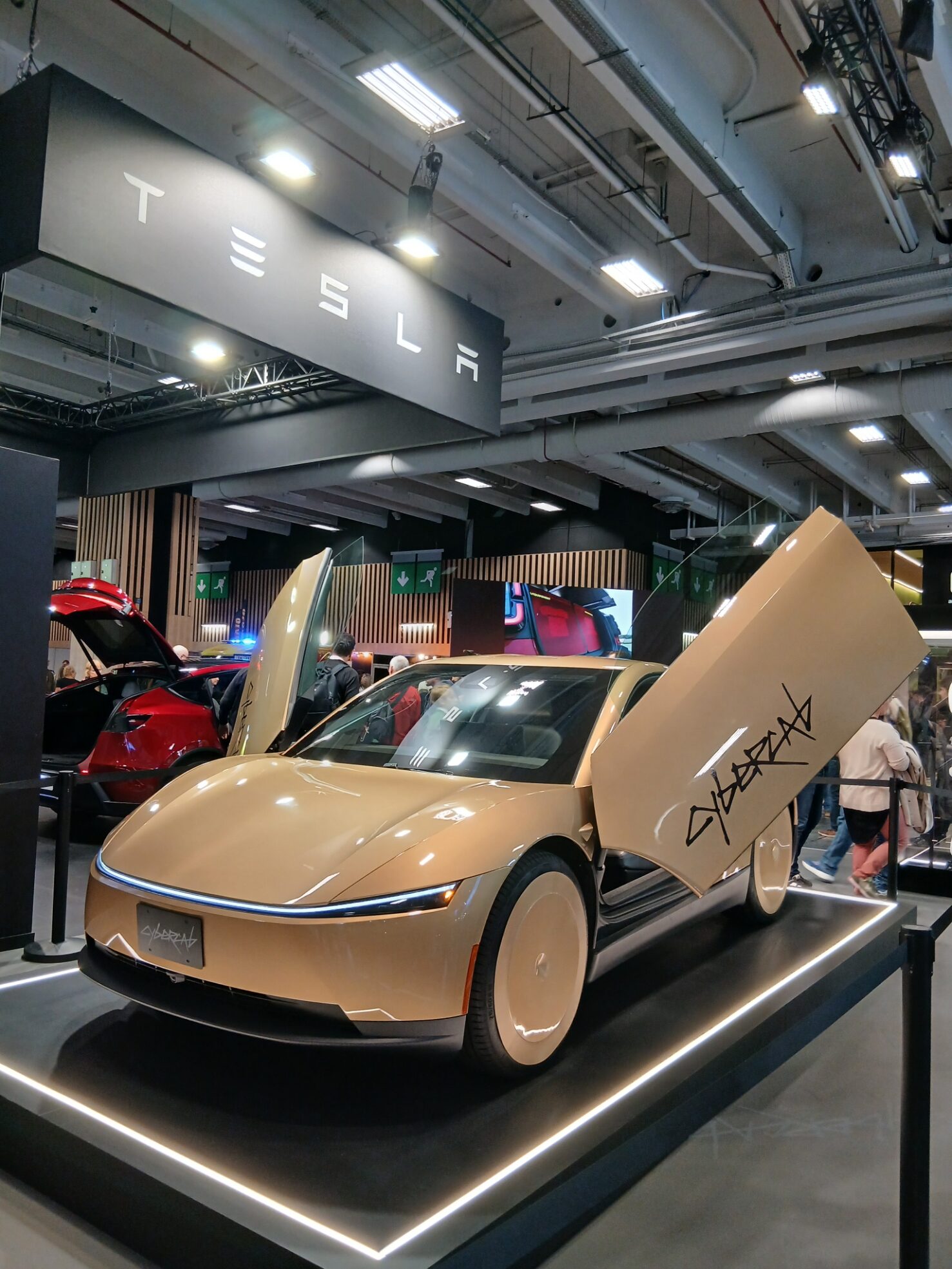
Finally, the Tesla Cybercab. It is without a doubt the best looking Tesla, now that both the Model 3 and Y have been cyberfied. Somehow, the small coupé body adapts pretty well to the cyber design, which makes it even a bigger disappointment that Tesla management decided against making a version with pedals and a steering wheel. It would be something cool and original, and a great introduction for possible platform developments, like a compact hatchback and crossover. But, hey, that’s Tesla in 2026 for you—a great engineering team, dragged down by shortsighted management.
Sign up for CleanTechnica’s Weekly Substack for Zach and Scott’s in-depth analyses and high level summaries, sign up for our daily newsletter, and follow us on Google News!
Have a tip for CleanTechnica? Want to advertise? Want to suggest a guest for our CleanTech Talk podcast? Contact us here.
Sign up for our daily newsletter for 10–15 new cleantech stories a day. Or sign up for our weekly one on top stories of the week if daily is too frequent.

CleanTechnica uses affiliate links. See our policy here.
CleanTechnica’s Comment Policy