
Lessons In Chemistry — Microbes, Heavy Metals, And Water

Chemistry is politically agnostic. It can give us wondrous new products, like nylon and Dacron, but it can give us destructive products like napalm and Agent Orange. Here are two stories in the news that came clattering into the teletype machines in the third sub-basement at CleanTechnica world headquarters today.
Microbes For Copper Mines
Mining is not for the faint of heart. Whether you are looking for gold, silver, copper, lithium, or aluminum, you aren’t likely to just find it lying around on the ground, where you can just scoop it up and sell it. More often than not, it is bound to other materials and must be separated out in a series of steps that often involve chemicals.
Copper is an excellent example. In the Earth, is is often found in rocks that also contain iron and sulfur. Separating it involves exposing the ore to sulfuric acid. At the Carlota copper mine in Arizona, owner KGHM Polska Miedz uses that method to extract copper from huge piles of rocks larger than ten sports stadiums. The mine has been in operation for a long time, which means there is less copper to be had in the ore, and the costs of extracting it continue to escalate.
Copper is an essential part of the transition to renewable energy and electric transportation. By 2040, the world could face a copper shortfall of 10 million metric tons, according to a report published in January by research firm S&P Global. That is 25 percent less than will be needed to meet the projected demand.
To squeeze every last ounce of copper out of the available ore, the Carlota mine has turned to Endolith, a Denver-based startup that supplies specialized acid loving micro-organisms that extract copper from ore by digesting the iron and sulfur compounds surrounding it,
According to Bloomberg, the microbes are mixed with sulfuric acid and then distributed by a sprinkler system that drips the mixture over the ore. That sets off a series of biochemical reactions in a process known as bio-leaching that releases the copper contained in the ore.
Endoltih is playing its cards close to its vest, but Brock Johnston, the manager of the Carlota mine, told Bloomberg he is already excited about the prospect of producing more copper with fewer chemicals. “Any kind of improvement is beneficial,” he said. Today, the mine is producing only about a third as much copper as it did years ago. Unless the yield can be improved, the mine may need to be closed by the end of this decade.
Other companies are looking for ways to boost copper production. Jetti Resources, another Colorado based startup, develops proprietary chemical catalysts to help break down sulfide ore. Emerson Electric in Missouri upgrades conventional leaching systems with smart sensors and automation. Nuton, a subsidiary of Rio Tinto, is creating its own microbial solution.
“There is so much more that could possibly be done,” said Buz Barstow, an associate professor at the department of biological and environmental engineering at Cornell University. He claims that next generation bio-leaching may be a partial solution, but still has a long way to go before becoming commercially viable.
Heavy Metals In Longyearbyen
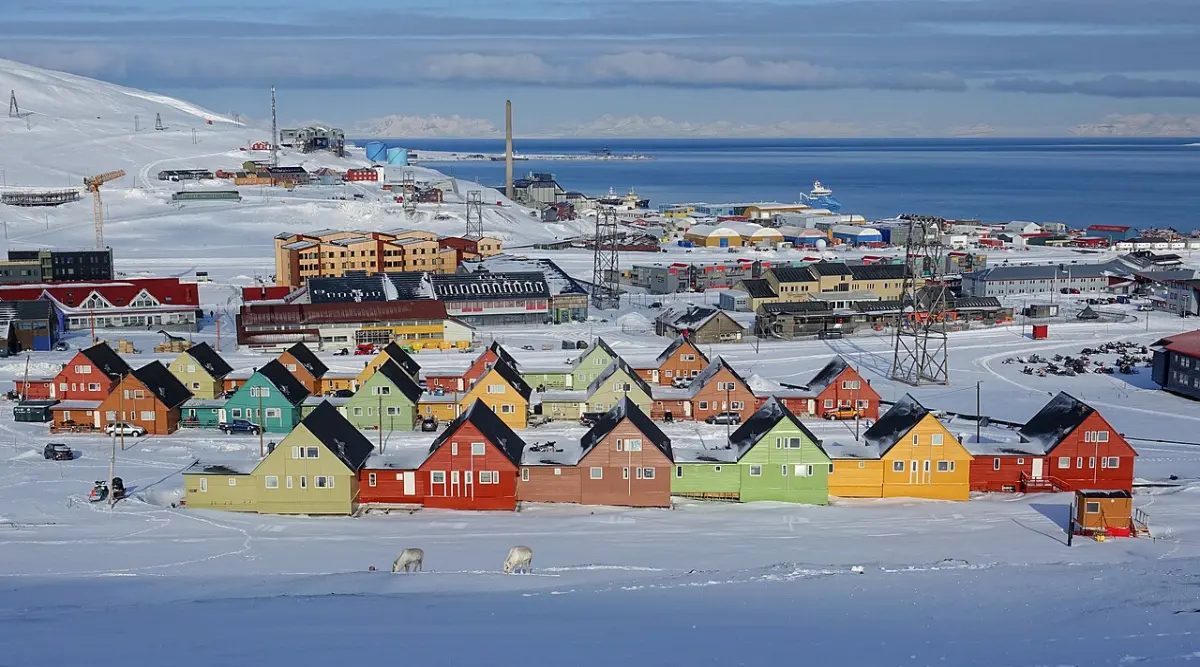
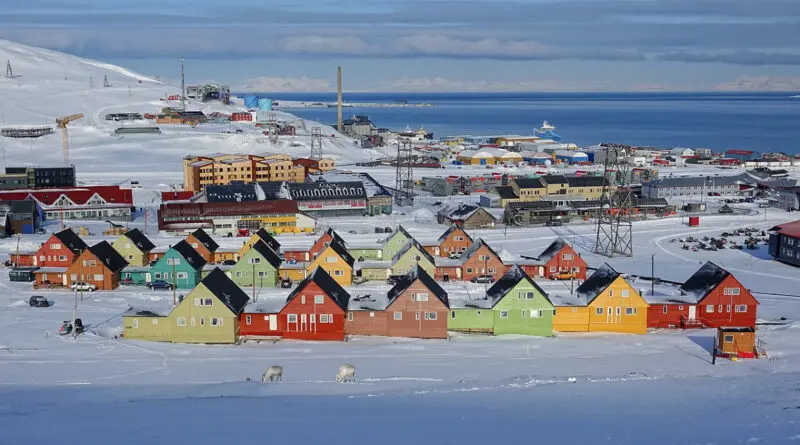
The Norwegian town of Longyearbyen claims to be the northernmost human settlement in the world. It gets its drinking water from a 1.5 mile long lake called Isdammen, or “ice pond.” I have always imagined Norwegian would be a very difficult language to learn, but if Isdammen means “ice pond.,” it seems likely that Longyearbyen means something like “What a long year it’s been!” The community goes without a sunrise for more than 100 days each year.
But Longyearbyen has a problem. According to The Guardian, it is one off the fastest warming places on Earth. Average temperatures in the autumn are now 4º C hotter than they were just a decade ago. That is no hoax. Even an ignorant person would know that’s a lot of warming in a short period of time. The rising temperatures are causing the permafrost to melt, and when that happens, the bedrock below is exposed to the elements.
That bedrock contains pyrite, sometimes known as “fool’s gold,” which is a compound of iron and sulfur. In Longyearbyen, it is flowing downhill into the Isdammen and making the water in the reservoir undrinkable, according to Marjolaine Verret, a permafrost expert and associate professor in Arctic geology at the University Center in Svalbard.
When pyrite came into contact with water and oxygen, it oxidizes and and becomes acidic, she explained. “The acid produced can now leach heavy metals from these rocks into the waterways. The issue we’ve been having here in Longyearbyen is manganese, but other contaminants can be leached out from the rocks.”
The mayor of Longyearbyen, Terje Aunevik, said that while drinking water quality had never been good due to sediment, the manganese levels had “gone ballistic” recently. Prolonged exposure to high levels of manganese can cause neurological problems, particularly in children and infants.
Manganese levels have dropped, but earlier this year sulfate and nickel levels were found to exceed recommended drinking water limits. The mayor said a “completely new water mains supply” may be needed. Potential solutions include installing a filtration system in the Isdammen of building a desalination plant. Either will be “extremely expensive.”
“In Norway, where we have always taken for granted that we can drink the water from the tap, it is challenging to start thinking that we need to carry our water like we do now. Other small communities should be precautious and start thinking of what to do if it happens to their sources,” the mayor said.
Verret and other scientists have warned that the contamination of water sources in Longyearbyen could be a foretaste of what is to come for other Arctic communities. “These ingredients [bedrock rich in pyrite and heavy metals] and thawing permafrost are present in other parts of the Arctic, so this could be a first example of how climate change can impact freshwater, for example in northern Canada and Alaska,” Verret said.
Lessons In Chemistry
Lessons In Chemistry is an excellent book by Bonnie Garmus. Among other things, it shows us that chemistry cares nothing about political beliefs, sexual orientation, ethnicity, or religion. It is not fake news or a hoax, no matter how much bluster and bombast may be used to attack it.
What is happening in Longyearbyen is proof that global heating is happening and that dumping all the stored energy accumulated over millions of years back into the environment in a few short centuries is a recipe for a global disaster that will affect everyone on Earth within a few decades.
While the residents of Longyearbyen are annoyed because their water is now undrinkable ,and it will cost a lot of money to fix the situation, Norway itself has profited handsomely from its oil and methane resources. Our addiction to fossil fuels is killing us, and we have no one to blame but ourselves.