
GM backs sodium-ion battery startup with $108M, extends eyes-off driving plans
On the Dash:
- General Motors’ eyes-off driving will expand to large pickups and SUVs, with no timeframe given.
- GM led a $108 million round in sodium-ion battery startup Peak Energy.
- The company’s digital revenue could reach $9.6 billion by 2036, UBS estimates.
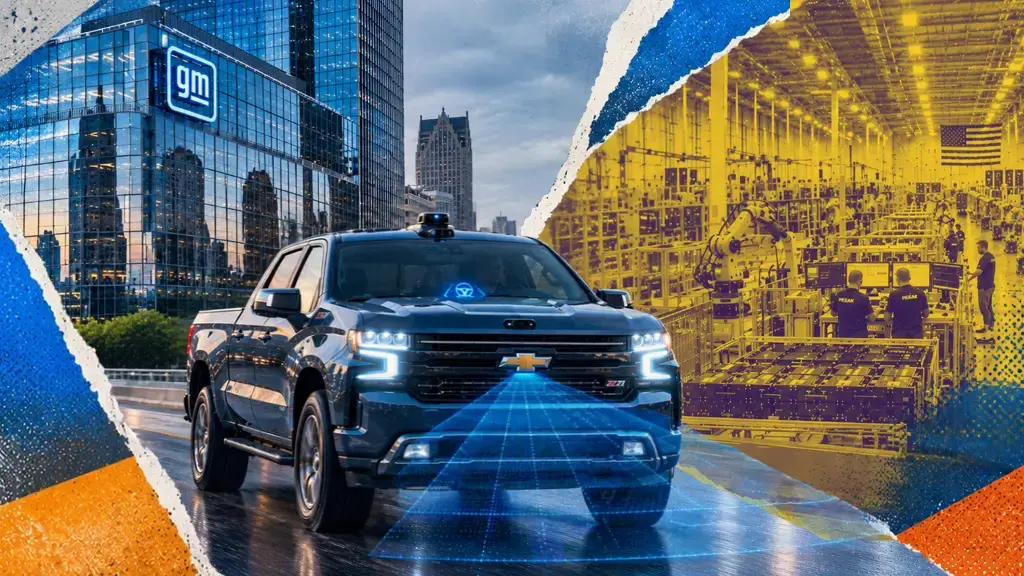
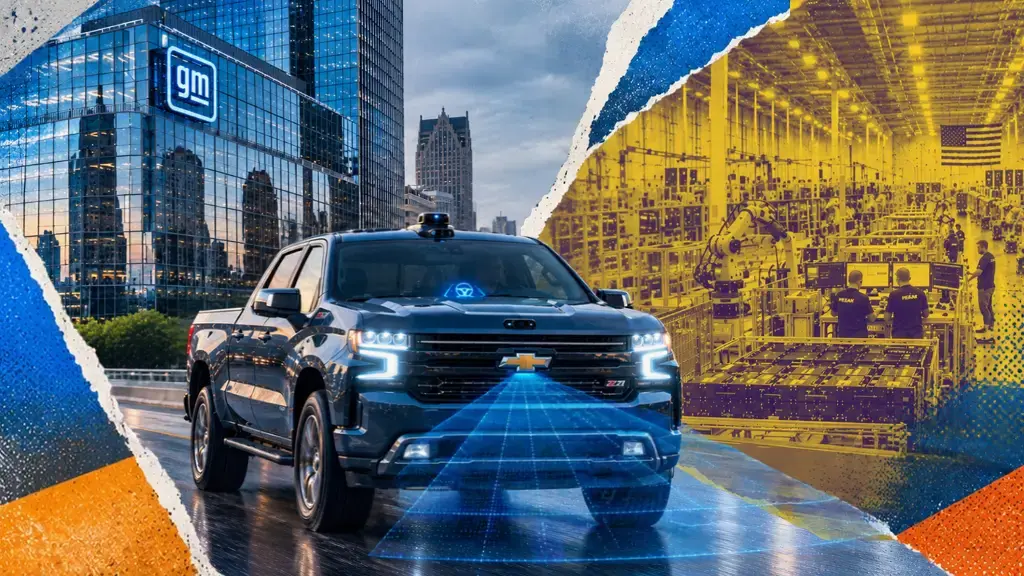
General Motors (GM) led a $108 million funding round in Peak Energy, a sodium-ion battery startup, Bloomberg reported Wednesday. While the automaker is developing sodium-ion cells at its Michigan labs that Peak plans to use later in its energy-storage systems, it is also planning to offer eyes-off driving on its highest-selling, most profitable vehicles, large pickups and SUVs. Executives outlined the plan at a New York event on Wednesday.
Peak Energy holds $1.1 billion in customer orders
Peak reports about $1.1 billion in orders, mostly from a 4.75 gigawatt-hour agreement with Jupiter Power and a 1.5 gigawatt-hour deal with Energy Vault. It expects to finish its first commercial facility in the first quarter, CEO Landon Mossburg said.
While sodium-ion cells remain far from mature and cost more than lithium-ion, most manufacturing for both is in Asia. Sodium-ion still offers an easier, cheaper path to domestic manufacturing, said Greg Reichow, a partner at Eclipse Capital and a Peak investor.
GM extends eyes-off driving beyond the Cadillac Escalade IQ
Last year, GM said it would offer autonomous highway driving in 2028 on the Escalade IQ, a pricey but light-selling electric SUV. It now plans to add pickups and other large SUVs, with no timeframe. Only a few automakers, including Mercedes-Benz, have launched eyes-off systems, typically limited to small areas at low speeds. Some industry executives say handing control back and forth raises safety and liability questions.
General Motors will begin on highways and eventually expand to other roads, Chief Product Officer Sterling Anderson said.
A new in-house central computer will receive remote updates like a smartphone. The plan is crucial for GM to compete with Chinese automakers and EV-only brands such as Tesla, said Sam Abuelsamid, vice president of market research at Telemetry.
Automakers earn average margins of around 10% on vehicles. Software-related services can reach 30% to 40%, according to PwC. UBS estimates the company’s digital revenue will grow to $9.6 billion by 2036, from $3.2 billion this year. GM can’t charge for the core experience owners have always had, said Ed Nightingale, GM’s vice president of digital products. An AI assistant will come to the Cadillac Lyriq in the coming months.