
ACVA $10.50 ADNT $16.61 -3.37% ▼ ADSE $9.70 +1.57% ▲ AAP $46.92 +1.43% ▲ AEVA $10.17 +3.25% ▲ ALSN $106.32 -2.97% ▼ APTV $42.69 -2.98% ▼ ARBE $0.43 -0.48% ▼ ABG $172.65 -0.45% ▼ AML.L -2.07% ▼ AMV0.DE -3.27% ▼ AUR $4.81 -1.79% ▼ ALV $114.67 -4.44% ▼ AN $161.05 -0.49% ▼ AZO $3,200.76 -2.18% ▼ BMW.DE +0.42% ▲ BEEM $0.91 +1.24% ▲ BLNK $0.38 -3.85% ▼ BWA $54.96 -0.07% ▼ 5108.T -0.08% ▼ 1211.HK +6.23% ▲ CARG $31.52 -3.70% ▼ KMX $51.55 -2.66% ▼ CARS $10.94 +0.27% ▲ CVNA $57.81 -1.40% ▼ CHPT $8.35 +2.90% ▲ DAN $26.83 -3.26% ▼ DORM $125.24 -1.73% ▼ DRVN $11.74 -0.68% ▼ EVGO $1.02 -1.92% ▼ RACE $393.28 -1.10% ▼ F $11.60 -2.85% ▼ FRVIA.PA -4.31% ▼ GTX $21.55 -0.23% ▼ 0175.HK +0.99% ▲ GM $75.92 -1.72% ▼ GNTX $20.66 -4.97% ▼ GEST.MC -2.60% ▼ 2333.HK +1.84% ▲ GPI $244.97 +0.90% ▲ 2238.HK +1.52% ▲ HSAI $13.13 +8.42% ▲ HMC $34.15 -1.24% ▼ 005380.KS -1.50% ▼ INVZ $0.22 +0.58% ▲ KEMPOWR.HE -0.97% ▼ LEA $116.69 -1.62% ▼ 373220.KS -1.92% ▼ LI $11.39 -0.52% ▼ LNR.TO +0.27% ▲ LAD $295.57 +1.55% ▲ LKQ $17.42 -22.47% ▼ LCID $3.52 +2.33% ▲ MGA $63.97 -1.04% ▼ M&M.NS -0.10% ▼ MRE.TO -0.63% ▼ MARUTI.NS +0.54% ▲ 7261.T +0.05% ▲ MBGYY $11.34 -1.99% ▼ ML.PA -0.19% ▼ 7211.T -0.32% ▼ MBLY $6.54 -5.63% ▼ MOD $133.34 -1.92% ▼ NAAS $2.49 -10.75% ▼ NIO $3.29 -0.28% ▼ 7201.T -0.81% ▼ ORLY $89.92 -2.24% ▼ OPLN $37.69 -0.95% ▼ OPM.PA -1.26% ▼ OUST $29.69 +6.97% ▲ 6752.T -1.44% ▼ PAG $212.33 +0.10% ▲ PHIN $57.32 +0.32% ▲ PIRC.MI -0.68% ▼ PSNY $3.67 +4.86% ▲ PONY $5.14 +3.42% ▲ P911.DE -2.78% ▼ QS $4.03 -2.58% ▼ RNO.PA -2.23% ▼ RIVN $11.83 -1.50% ▼ 006400.KS -4.57% ▼ SAH $61.28 -2.95% ▼ STLA $4.06 -4.47% ▼ 7270.T +0.74% ▲ 5110.T -0.97% ▼ 7269.T +1.77% ▲ TSLA $372.22 -0.30% ▼ GT $4.26 -3.72% ▼ 5101.T -3.24% ▼ 5105.T -1.81% ▼ TM $196.79 +1.30% ▲ FR.PA -11.30% ▼ VVV $31.63 -0.50% ▼ VFS $3.07 +4.07% ▲ VC $76.37 -6.52% ▼ VOW3.DE +0.29% ▲ VOLCAR-B.ST -24.23% ▼ WBX $2.65 +0.38% ▲ WRD $4.17 +0.00% ▲ XPEV $9.21 +1.43% ▲ ACVA $10.50 ADNT $16.61 -3.37% ▼ ADSE $9.70 +1.57% ▲ AAP $46.92 +1.43% ▲ AEVA $10.17 +3.25% ▲ ALSN $106.32 -2.97% ▼ APTV $42.69 -2.98% ▼ ARBE $0.43 -0.48% ▼ ABG $172.65 -0.45% ▼ AML.L -2.07% ▼ AMV0.DE -3.27% ▼ AUR $4.81 -1.79% ▼ ALV $114.67 -4.44% ▼ AN $161.05 -0.49% ▼ AZO $3,200.76 -2.18% ▼ BMW.DE +0.42% ▲ BEEM $0.91 +1.24% ▲ BLNK $0.38 -3.85% ▼ BWA $54.96 -0.07% ▼ 5108.T -0.08% ▼ 1211.HK +6.23% ▲ CARG $31.52 -3.70% ▼ KMX $51.55 -2.66% ▼ CARS $10.94 +0.27% ▲ CVNA $57.81 -1.40% ▼ CHPT $8.35 +2.90% ▲ DAN $26.83 -3.26% ▼ DORM $125.24 -1.73% ▼ DRVN $11.74 -0.68% ▼ EVGO $1.02 -1.92% ▼ RACE $393.28 -1.10% ▼ F $11.60 -2.85% ▼ FRVIA.PA -4.31% ▼ GTX $21.55 -0.23% ▼ 0175.HK +0.99% ▲ GM $75.92 -1.72% ▼ GNTX $20.66 -4.97% ▼ GEST.MC -2.60% ▼ 2333.HK +1.84% ▲ GPI $244.97 +0.90% ▲ 2238.HK +1.52% ▲ HSAI $13.13 +8.42% ▲ HMC $34.15 -1.24% ▼ 005380.KS -1.50% ▼ INVZ $0.22 +0.58% ▲ KEMPOWR.HE -0.97% ▼ LEA $116.69 -1.62% ▼ 373220.KS -1.92% ▼ LI $11.39 -0.52% ▼ LNR.TO +0.27% ▲ LAD $295.57 +1.55% ▲ LKQ $17.42 -22.47% ▼ LCID $3.52 +2.33% ▲ MGA $63.97 -1.04% ▼ M&M.NS -0.10% ▼ MRE.TO -0.63% ▼ MARUTI.NS +0.54% ▲ 7261.T +0.05% ▲ MBGYY $11.34 -1.99% ▼ ML.PA -0.19% ▼ 7211.T -0.32% ▼ MBLY $6.54 -5.63% ▼ MOD $133.34 -1.92% ▼ NAAS $2.49 -10.75% ▼ NIO $3.29 -0.28% ▼ 7201.T -0.81% ▼ ORLY $89.92 -2.24% ▼ OPLN $37.69 -0.95% ▼ OPM.PA -1.26% ▼ OUST $29.69 +6.97% ▲ 6752.T -1.44% ▼ PAG $212.33 +0.10% ▲ PHIN $57.32 +0.32% ▲ PIRC.MI -0.68% ▼ PSNY $3.67 +4.86% ▲ PONY $5.14 +3.42% ▲ P911.DE -2.78% ▼ QS $4.03 -2.58% ▼ RNO.PA -2.23% ▼ RIVN $11.83 -1.50% ▼ 006400.KS -4.57% ▼ SAH $61.28 -2.95% ▼ STLA $4.06 -4.47% ▼ 7270.T +0.74% ▲ 5110.T -0.97% ▼ 7269.T +1.77% ▲ TSLA $372.22 -0.30% ▼ GT $4.26 -3.72% ▼ 5101.T -3.24% ▼ 5105.T -1.81% ▼ TM $196.79 +1.30% ▲ FR.PA -11.30% ▼ VVV $31.63 -0.50% ▼ VFS $3.07 +4.07% ▲ VC $76.37 -6.52% ▼ VOW3.DE +0.29% ▲ VOLCAR-B.ST -24.23% ▼ WBX $2.65 +0.38% ▲ WRD $4.17 +0.00% ▲ XPEV $9.21 +1.43% ▲
Automotive industry news, organized — automakers, EVs, suppliers, mobility & public-company announcements.

GM targets ‘personal autonomy’ as Super Cruise rolls out to more models
October 23, 2026 · by APW Pipeline
GM targets ‘personal autonomy’ as Super Cruise rolls out to more models
This audio is auto-generated. Please let us know if you have feedback.

Dive Brief:

  • General Motors says it’s charting a path toward “personal autonomy” that includes hands-free highway driving as the automaker prepares to roll out Super Cruise to its highest-volume models in North America, the company announced in a press release.
  • To scale a full autonomous driving stack in future vehicles, GM developed a next-generation central compute and zonal electrical architecture that it calls a “radical departure from traditional automotive electronics.”
  • The new vehicle platform is centered around a liquid-cooled central compute unit that delivers around 40 times more compute capability than its current vehicles. The CCU consolidates autonomy, active safety, chassis and propulsion software onto a single, high-speed core, per the release.

Dive Insight:

GM’s new in-house-designed central compute architecture decouples a vehicle’s software from the physical hardware layer — a core facet of software-defined vehicles — allowing the company to deliver over-the-air updates over a vehicle’s service life.

It’s designed to provide a common computing, network, software and interface foundation, allowing each GM model, including gas or electric vehicles, to retain the hardware and controls required for its specific purpose, per the release.

This level of flexibility allows GM to avoid having to re-engineer systems for every trim and body style in its portfolio and more easily scale Super Cruise. By integrating a full autonomous driving stack, which includes newly developed ultra-high-resolution, ultra-low-cost radar and machine learning architectures, improvements validated on one model can be deployed to other GM vehicles via an OTA software update. 

GM aims to launch the next-generation Super Cruise with its “eyes-off” driving tech in 2028, beginning with the Cadillac Escalade IQ electric SUV before rolling it out to its higher-volume models, including the new Chevrolet Silverado.

To support the processing of enormous amounts of data needed to power the autonomous driving technology stack, the zonal hub and high-speed Ethernet network replaces miles of complex wiring and consolidates sensors and actuators into an ultra-fast data backbone. The network supports 36 times more data transfer than previous GM systems, giving the vehicle a much more complete understanding of what is happening around it, according to the automaker.
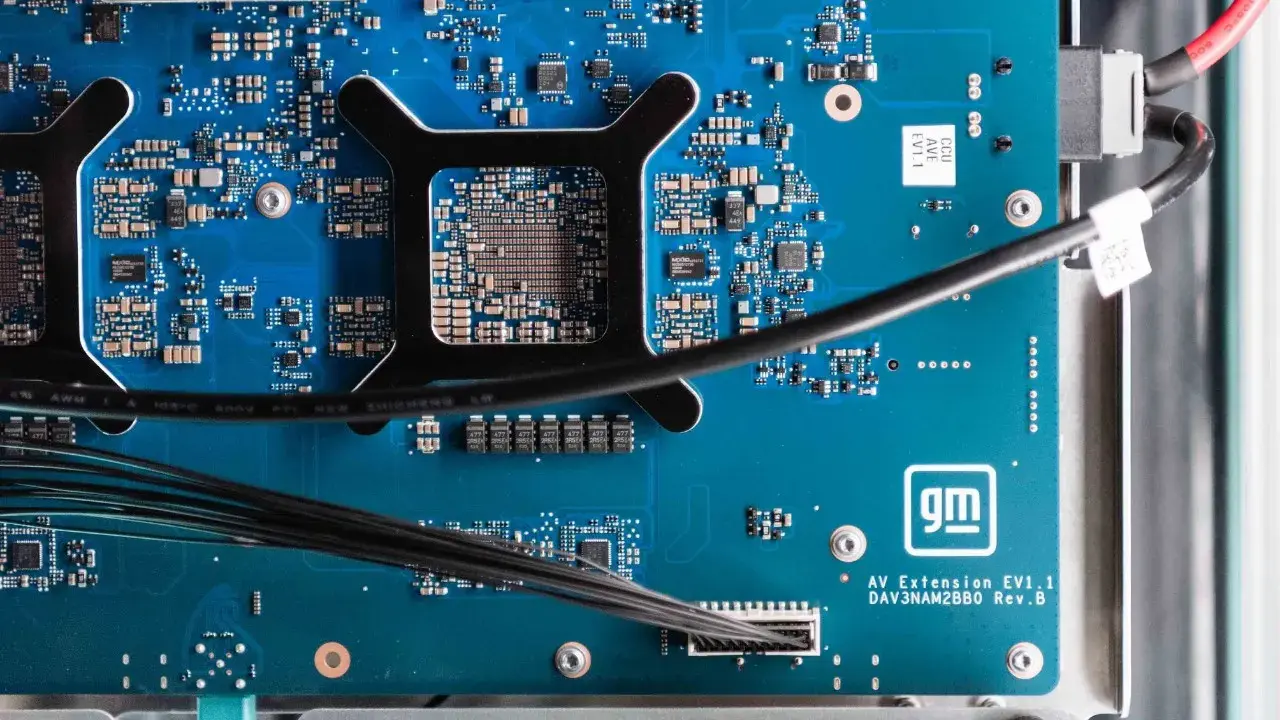
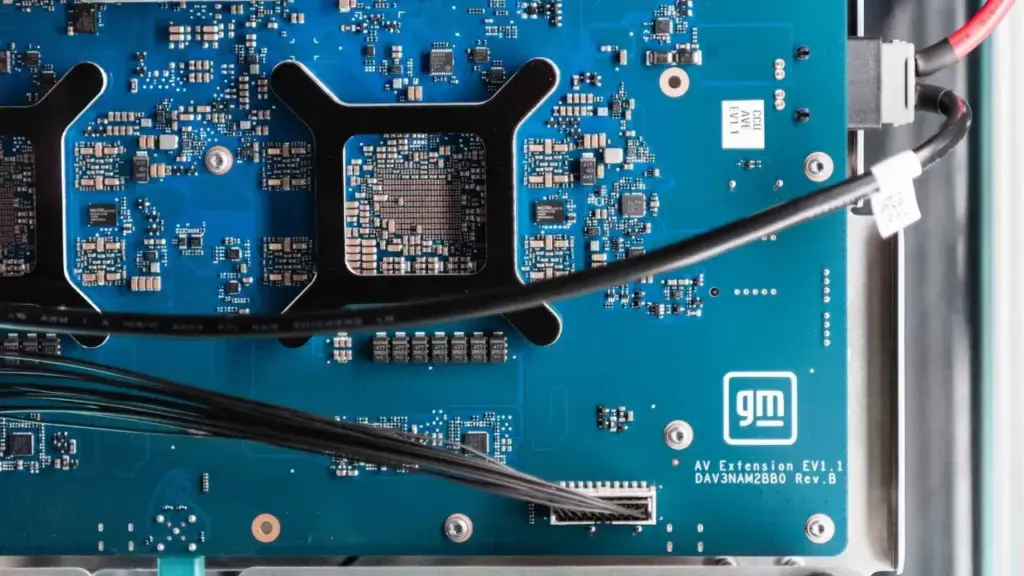
The electronics inside GM’s in-house-designed central compute unit.

GM’s in-house-designed central compute unit has roughly 40 times more capability than its current vehicles to support autonomous driving.

Courtesy of General Motors

Future GM vehicles will also collect data used to improve autonomous driving technology over time. To support this, the automaker built a continuous data flywheel to collect data from its customers’ vehicles, provided they opt-in to share it.

GM says customers using Super Cruise have traveled more than 1.2 billion hands-free miles across nearly 750,000 vehicles in North America equipped with the feature, and the company is continuously collecting data from its connected vehicles.

Additional real-world data comes from GM’s own fleet of hundreds of data-collection vehicles, logging around 1 million miles of sensor data per month, including edge cases. This data is also being used to train machine learning models, according to the automaker.

GM is further improving Super Cruise in the safety of a computer-simulated environment built from real-world data. The automaker’s autonomous driving technology stack “drives” over 3 billion miles per day in simulation, at an average speed of 50 mph, per the release. It’s equivalent to collecting data from roughly 2.5 million human-driven vehicles per day, the company said.

Beyond the new vehicle architecture, GM also offered its future vision of the in-cabin experience it calls “Concept Horizon,” which will transform the cabin into a space “to relax, work and unwind,” per the release. It will be built around human needs and informed by the automaker’s research into how passengers might utilize the space during longer autonomous trips.