ACVA $10.50 ADNT $16.61 -3.37% ▼ ADSE $9.70 +1.57% ▲ AAP $46.92 +1.43% ▲ AEVA $10.17 +3.25% ▲ ALSN $106.32 -2.97% ▼ APTV $42.69 -2.98% ▼ ARBE $0.43 -0.48% ▼ ABG $172.65 -0.45% ▼ AML.L -2.07% ▼ AMV0.DE -3.27% ▼ AUR $4.81 -1.79% ▼ ALV $114.67 -4.44% ▼ AN $161.05 -0.49% ▼ AZO $3,200.76 -2.18% ▼ BMW.DE +0.42% ▲ BEEM $0.91 +1.24% ▲ BLNK $0.38 -3.85% ▼ BWA $54.96 -0.07% ▼ 5108.T -0.08% ▼ 1211.HK +6.23% ▲ CARG $31.52 -3.70% ▼ KMX $51.55 -2.66% ▼ CARS $10.94 +0.27% ▲ CVNA $57.81 -1.40% ▼ CHPT $8.35 +2.90% ▲ DAN $26.83 -3.26% ▼ DORM $125.24 -1.73% ▼ DRVN $11.74 -0.68% ▼ EVGO $1.02 -1.92% ▼ RACE $393.28 -1.10% ▼ F $11.60 -2.85% ▼ FRVIA.PA -4.31% ▼ GTX $21.55 -0.23% ▼ 0175.HK +0.99% ▲ GM $75.92 -1.72% ▼ GNTX $20.66 -4.97% ▼ GEST.MC -2.60% ▼ 2333.HK +1.84% ▲ GPI $244.97 +0.90% ▲ 2238.HK +1.52% ▲ HSAI $13.13 +8.42% ▲ HMC $34.15 -1.24% ▼ 005380.KS -1.50% ▼ INVZ $0.22 +0.58% ▲ KEMPOWR.HE -0.97% ▼ LEA $116.69 -1.62% ▼ 373220.KS -1.92% ▼ LI $11.39 -0.52% ▼ LNR.TO +0.27% ▲ LAD $295.57 +1.55% ▲ LKQ $17.42 -22.47% ▼ LCID $3.52 +2.33% ▲ MGA $63.97 -1.04% ▼ M&M.NS -0.10% ▼ MRE.TO -0.63% ▼ MARUTI.NS +0.54% ▲ 7261.T +0.05% ▲ MBGYY $11.34 -1.99% ▼ ML.PA -0.19% ▼ 7211.T -0.32% ▼ MBLY $6.54 -5.63% ▼ MOD $133.34 -1.92% ▼ NAAS $2.49 -10.75% ▼ NIO $3.29 -0.28% ▼ 7201.T -0.81% ▼ ORLY $89.92 -2.24% ▼ OPLN $37.69 -0.95% ▼ OPM.PA -1.26% ▼ OUST $29.69 +6.97% ▲ 6752.T -1.44% ▼ PAG $212.33 +0.10% ▲ PHIN $57.32 +0.32% ▲ PIRC.MI -0.68% ▼ PSNY $3.67 +4.86% ▲ PONY $5.14 +3.42% ▲ P911.DE -2.78% ▼ QS $4.03 -2.58% ▼ RNO.PA -2.23% ▼ RIVN $11.83 -1.50% ▼ 006400.KS -4.57% ▼ SAH $61.28 -2.95% ▼ STLA $4.06 -4.47% ▼ 7270.T +0.74% ▲ 5110.T -0.97% ▼ 7269.T +1.77% ▲ TSLA $372.22 -0.30% ▼ GT $4.26 -3.72% ▼ 5101.T -3.24% ▼ 5105.T -1.81% ▼ TM $196.79 +1.30% ▲ FR.PA -11.30% ▼ VVV $31.63 -0.50% ▼ VFS $3.07 +4.07% ▲ VC $76.37 -6.52% ▼ VOW3.DE +0.29% ▲ VOLCAR-B.ST -24.23% ▼ WBX $2.65 +0.38% ▲ WRD $4.17 +0.00% ▲ XPEV $9.21 +1.43% ▲ ACVA $10.50 ADNT $16.61 -3.37% ▼ ADSE $9.70 +1.57% ▲ AAP $46.92 +1.43% ▲ AEVA $10.17 +3.25% ▲ ALSN $106.32 -2.97% ▼ APTV $42.69 -2.98% ▼ ARBE $0.43 -0.48% ▼ ABG $172.65 -0.45% ▼ AML.L -2.07% ▼ AMV0.DE -3.27% ▼ AUR $4.81 -1.79% ▼ ALV $114.67 -4.44% ▼ AN $161.05 -0.49% ▼ AZO $3,200.76 -2.18% ▼ BMW.DE +0.42% ▲ BEEM $0.91 +1.24% ▲ BLNK $0.38 -3.85% ▼ BWA $54.96 -0.07% ▼ 5108.T -0.08% ▼ 1211.HK +6.23% ▲ CARG $31.52 -3.70% ▼ KMX $51.55 -2.66% ▼ CARS $10.94 +0.27% ▲ CVNA $57.81 -1.40% ▼ CHPT $8.35 +2.90% ▲ DAN $26.83 -3.26% ▼ DORM $125.24 -1.73% ▼ DRVN $11.74 -0.68% ▼ EVGO $1.02 -1.92% ▼ RACE $393.28 -1.10% ▼ F $11.60 -2.85% ▼ FRVIA.PA -4.31% ▼ GTX $21.55 -0.23% ▼ 0175.HK +0.99% ▲ GM $75.92 -1.72% ▼ GNTX $20.66 -4.97% ▼ GEST.MC -2.60% ▼ 2333.HK +1.84% ▲ GPI $244.97 +0.90% ▲ 2238.HK +1.52% ▲ HSAI $13.13 +8.42% ▲ HMC $34.15 -1.24% ▼ 005380.KS -1.50% ▼ INVZ $0.22 +0.58% ▲ KEMPOWR.HE -0.97% ▼ LEA $116.69 -1.62% ▼ 373220.KS -1.92% ▼ LI $11.39 -0.52% ▼ LNR.TO +0.27% ▲ LAD $295.57 +1.55% ▲ LKQ $17.42 -22.47% ▼ LCID $3.52 +2.33% ▲ MGA $63.97 -1.04% ▼ M&M.NS -0.10% ▼ MRE.TO -0.63% ▼ MARUTI.NS +0.54% ▲ 7261.T +0.05% ▲ MBGYY $11.34 -1.99% ▼ ML.PA -0.19% ▼ 7211.T -0.32% ▼ MBLY $6.54 -5.63% ▼ MOD $133.34 -1.92% ▼ NAAS $2.49 -10.75% ▼ NIO $3.29 -0.28% ▼ 7201.T -0.81% ▼ ORLY $89.92 -2.24% ▼ OPLN $37.69 -0.95% ▼ OPM.PA -1.26% ▼ OUST $29.69 +6.97% ▲ 6752.T -1.44% ▼ PAG $212.33 +0.10% ▲ PHIN $57.32 +0.32% ▲ PIRC.MI -0.68% ▼ PSNY $3.67 +4.86% ▲ PONY $5.14 +3.42% ▲ P911.DE -2.78% ▼ QS $4.03 -2.58% ▼ RNO.PA -2.23% ▼ RIVN $11.83 -1.50% ▼ 006400.KS -4.57% ▼ SAH $61.28 -2.95% ▼ STLA $4.06 -4.47% ▼ 7270.T +0.74% ▲ 5110.T -0.97% ▼ 7269.T +1.77% ▲ TSLA $372.22 -0.30% ▼ GT $4.26 -3.72% ▼ 5101.T -3.24% ▼ 5105.T -1.81% ▼ TM $196.79 +1.30% ▲ FR.PA -11.30% ▼ VVV $31.63 -0.50% ▼ VFS $3.07 +4.07% ▲ VC $76.37 -6.52% ▼ VOW3.DE +0.29% ▲ VOLCAR-B.ST -24.23% ▼ WBX $2.65 +0.38% ▲ WRD $4.17 +0.00% ▲ XPEV $9.21 +1.43% ▲
Automotive industry news, organized — automakers, EVs, suppliers, mobility & public-company announcements.

Hillcrest says its ZVS inverter cuts motor voltage overshoot by more than 90%
October 23, 2026 · by APW Pipeline
Hillcrest says its ZVS inverter cuts motor voltage overshoot by more than 90%

Power conversion developer Hillcrest Energy Technologies has announced peer-reviewed test results comparing its zero-voltage-switching (ZVS) inverter technology with a conventional hard-switched silicon carbide (SiC) inverter.

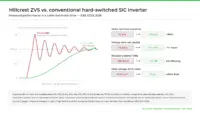
Hillcrest says that in side-by-side testing, ZVS reduced motor-terminal voltage overshoot by more than 90%, from 50% above the DC-link voltage to 4% above it. The test used an 80 kW motor on a 2-meter shielded cable at 400 V DC and 20 kHz. At 470 V DC and 40 kHz, voltage slew rate (dv/dt) fell from approximately 16 V/ns to 1.4 V/ns, and emissions above 5 MHz were approximately 25 dB lower.

The results are documented in the paper “High-Performance ZVS Inverter for Traction Systems Under Reflected Wave Conditions,” accepted for the IEEE Energy Conversion Congress and Expo (ECCE 2026) in Vancouver.

Because SiC devices switch faster than silicon devices, impedance mismatch between inverter, cable and motor produces repeated voltage reflections. Motor-terminal voltage can reach twice the DC-link voltage even with cable lengths of only a few meters. The resulting overvoltage accelerates insulation aging and can lead to premature failure of motor windings.

The standard mitigation is passive filtering at the motor terminals or the inverter cabinet. These filters add cost, size and power losses. Hillcrest says that by commutating each device when the voltage across it is near zero, ZVS extends the voltage transition roughly tenfold.

Hillcrest says that under worst-case double-pulse conditions with a 50-meter cable at 470 V DC, peak load voltage remained below twice the DC-link voltage, at approximately 920 V. For the configuration analyzed, ZVS extends the critical cable length to approximately 18 meters.

“Controlling dv/dt at the switching event removes the cause instead of treating the symptom,” said Emanuel Serban, Hillcrest’s Vice President of Engineering. “Both theoretical analysis and experimental results demonstrate a significant reduction in EMI and motor-terminal overvoltage in cable-fed systems.”

“Peer-reviewed validation is what drive manufacturers require before committing to a new power conversion architecture,” said Don Currie, Hillcrest’s CEO.

Source: Hillcrest Energy Technologies