
Vehicle Electrification Market to Reach $87.8B by 2033
According to a new report from MarketsandMarkets, the vehicle electrification market will grow from $54.9 billion in 2026 to $87.8 billion by 2033. The market will expand at a compound annual growth rate (CAGR) of 6.9% during the forecast period. Regulatory frameworks, including strict carbon dioxide emissions standards, zero-emission mandates and fleet decarbonization targets, have become primary demand drivers. These requirements have shifted beyond compliance costs, making policy timelines leading indicators for new automotive platform launches.
Meanwhile, high-utilization commercial fleets are reaching total cost of ownership (TCO) parity first. This trend makes electrification an investment decision driven by return on investment (ROI). Rapid paybacks on electrified auxiliaries, start-stop systems and integrated starter generators support these investments.
Additionally, the transition toward 800-volt architectures and battery-electric vehicle (BEV) platforms increases component value per vehicle. These platforms incorporate higher-margin components, including electric power steering, positive temperature coefficient (PTC) heaters and electric compressors. This allows suppliers to increase revenue per vehicle faster than overall vehicle production volumes.
Infrastructure Challenges Affect Vehicle Electrification Market Growth
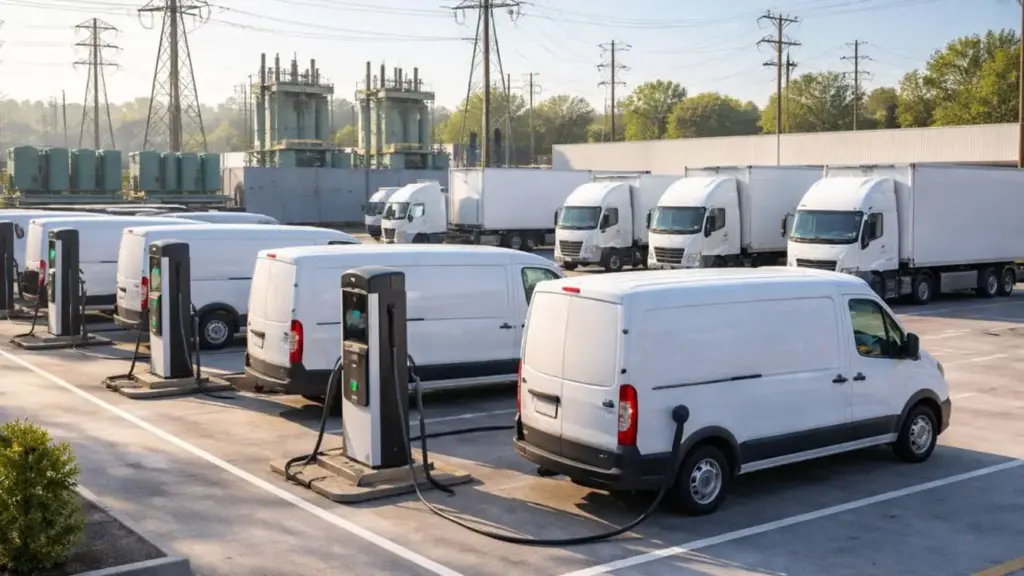
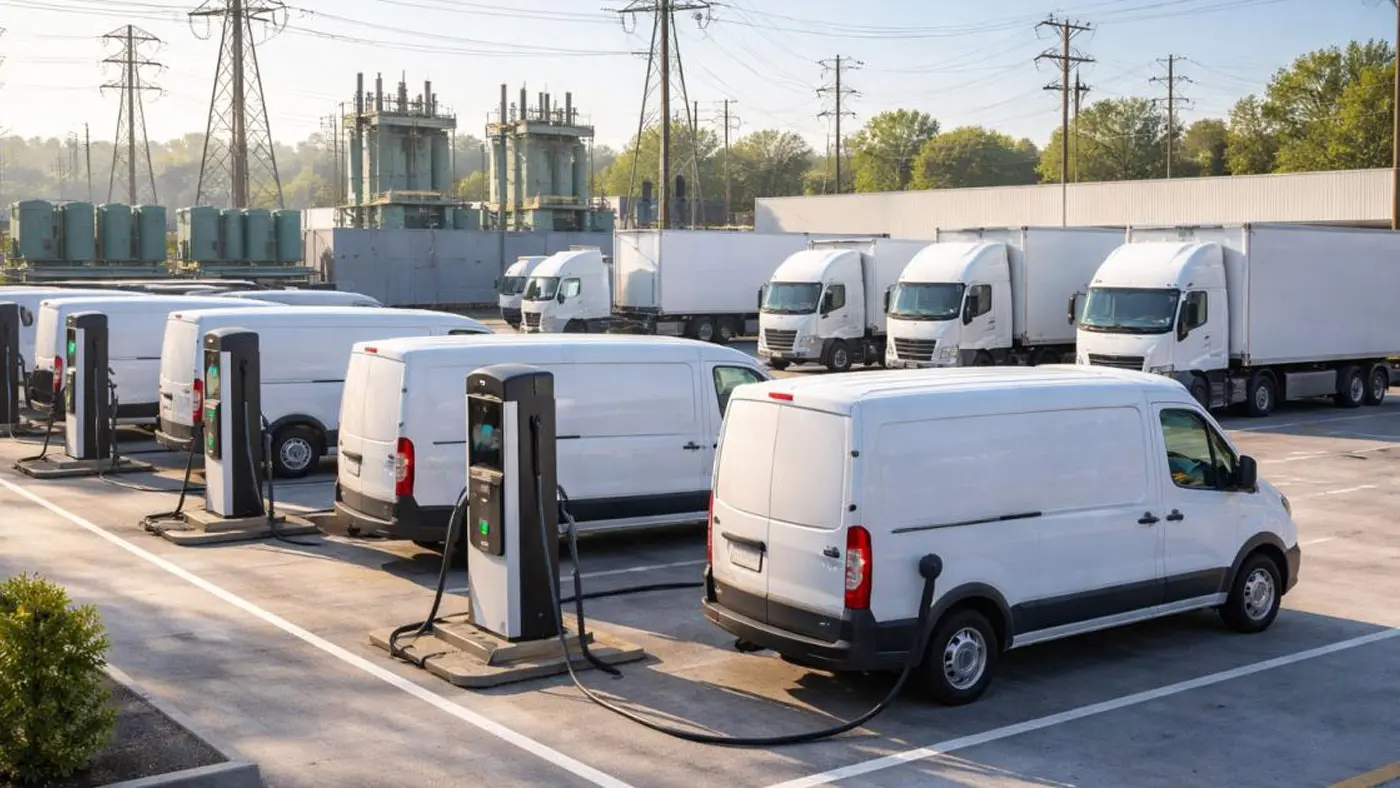
However, energy infrastructure availability and economics now represent the industry’s primary growth constraints, rather than vehicle technology or baseline demand.
Grid capacity limitations, megawatt charging speeds and high deployment costs continue to restrict mass-market expansion. These challenges concentrate early adoption among commercial fleets and fixed-route applications.
This infrastructure gap creates an imbalance between demand and supply that component manufacturers must navigate.
Near-term revenue growth will remain concentrated in privately funded fleet operations. Meanwhile, broader market expansion depends on utility upgrades, public policy and capital investment cycles outside the automotive industry’s direct control.
Passenger Cars Expected to Hold Largest Market Share
The passenger car segment will likely account for the largest share of the vehicle electrification market. Passenger cars dominate because electrification extends beyond propulsion into steering, braking, thermal management, HVAC and power distribution.
Consequently, individual vehicles incorporate numerous electrified components, including electric power steering, electric compressors, electric pumps, PTC heaters and integrated starter generators. Advanced driver assistance systems (ADAS), infotainment technology and increasingly complex thermal requirements further accelerate this trend.
As Bosch highlights, the convergence of electrification, automation, and connectivity is driving the transition to centralized zonal architectures and elevated powernet demands to support these next-generation x-by-wire capabilities.
Passenger cars offer opportunities to increase electrification content per vehicle, beyond their large share of vehicle production. Passenger car platforms include 12-volt, 48-volt mild-hybrid, hybrid-electric, plug-in hybrid and 400- to 800-volt BEV architectures. This diversity allows suppliers to offer multiple electrification technologies across a broad customer base.
For example, Valeo offers low- and high-voltage electrification, 48-volt hybrid systems, electric motors and thermal management technologies. Its portfolio supports various passenger car architectures. Meanwhile, Bosch integrates powertrain, thermal and battery management functions into its vehicle-control architecture.
These developments create multiple revenue opportunities as passenger cars transition toward electrically actuated, software-controlled platforms. Electrification continues expanding beyond powertrains into steering, thermal management, braking and auxiliary functions.
Liquid PTC Heaters Expected to Lead EV Product Growth
Liquid PTC heaters will likely become the fastest-growing electrification product in the electric vehicle (EV) segment during the forecast period. These heaters address a fundamental BEV design challenge: the absence of engine waste heat.
Unlike internal combustion engine vehicles, BEVs cannot rely on engine-heated coolant for cabin heating or battery conditioning. Instead, high-voltage liquid PTC heaters directly heat coolant circulating through battery, cabin heating and other thermal systems.
Their importance increases with larger batteries, fast charging, cold-weather operation and stricter battery temperature requirements. These heaters rapidly precondition batteries before charging or driving and maintain operating temperatures. They directly influence charging performance, power availability and battery durability.
For example, BorgWarner offers high-voltage coolant heaters operating between 250 and 800 volts, with outputs ranging from 3 to 10 kilowatts. The company has secured programs across BEV and plug-in hybrid platforms, including 400- and 800-volt applications.
Thermal Management Technologies Expand Applications
Liquid PTC heaters are evolving beyond cabin heating into essential components of vehicle thermal management systems. Modern systems increasingly combine these heaters with heat pumps, coolant pumps, valves and waste-heat recovery technologies.
These combinations direct heat toward functions that deliver the greatest vehicle-level benefits. Applications include battery preconditioning before fast charging, cabin heating with reduced range loss and battery temperature management under extreme conditions.
Webasto’s latest architecture integrates high-voltage heaters with coolant and refrigerant circuits. Its Heated Chiller combines previously separate functions, reducing component counts and system complexity.
The expansion of high-voltage coolant heater programs into 800-volt platforms and plug-in hybrids also broadens the technology’s potential market.