
Is A PHEV Diesel Hybrid A Viable Option? Introducing the Chery Stockman

Support CleanTechnica’s work through a Substack subscription, on Patreon, or on Stripe. Help us produce all of the high-quality, original content we publish week after week despite the challenges of content-scraping AI, antisocial media, inflation, and other hurdles.
I was intrigued by the recent announcement from Chery that they were going to import a diesel plugin hybrid ute to Australia.
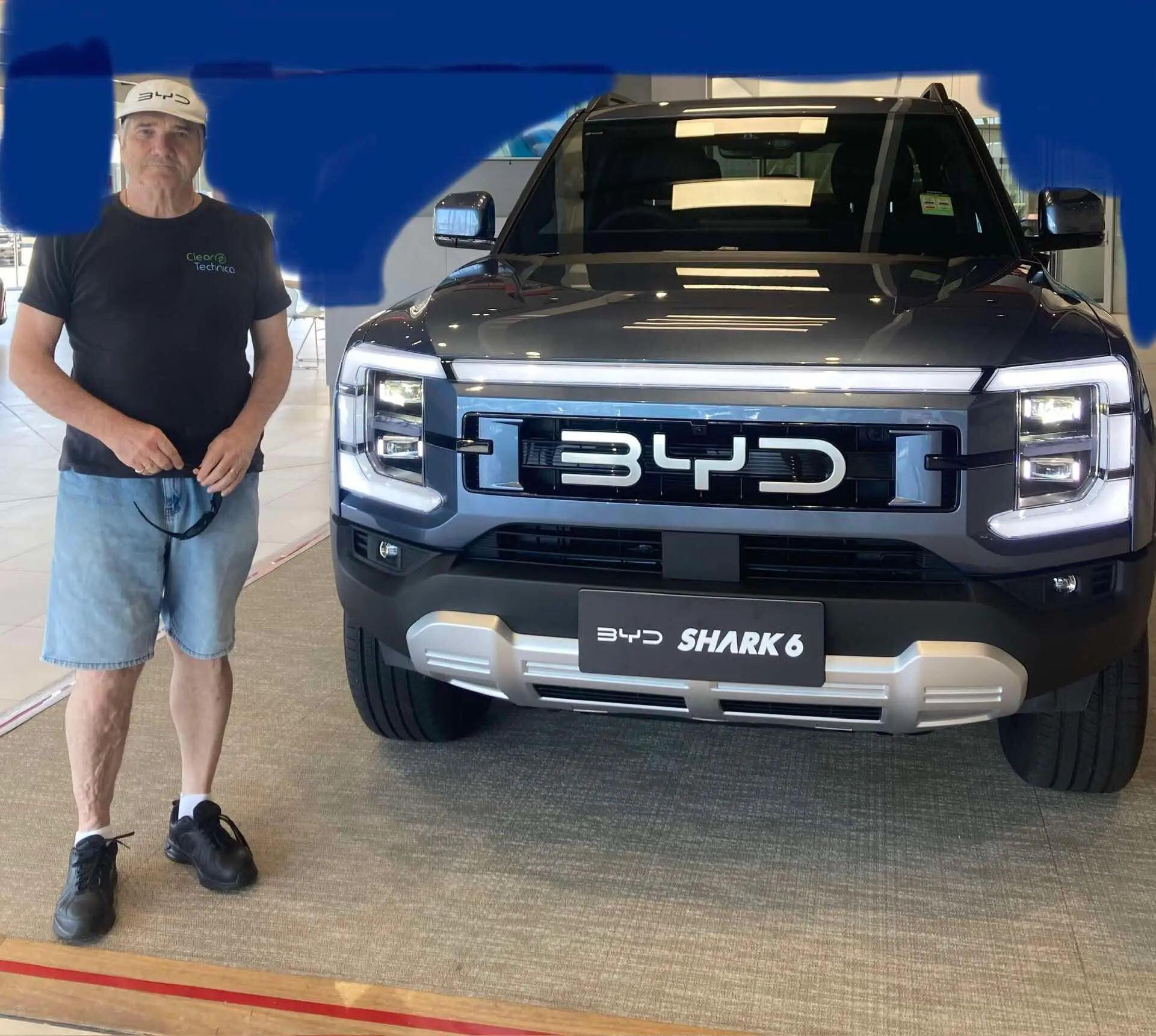
With Australian highways abounding in diesel utes and petrol PHEVs (notably, the BYD Shark 6 and the Canon Alpha), why hasn’t this been done before? Carsguide touts the Chery Stockman diesel PHEV as not just a BYD competitor, but also a worthy challenger for the Ford Ranger.
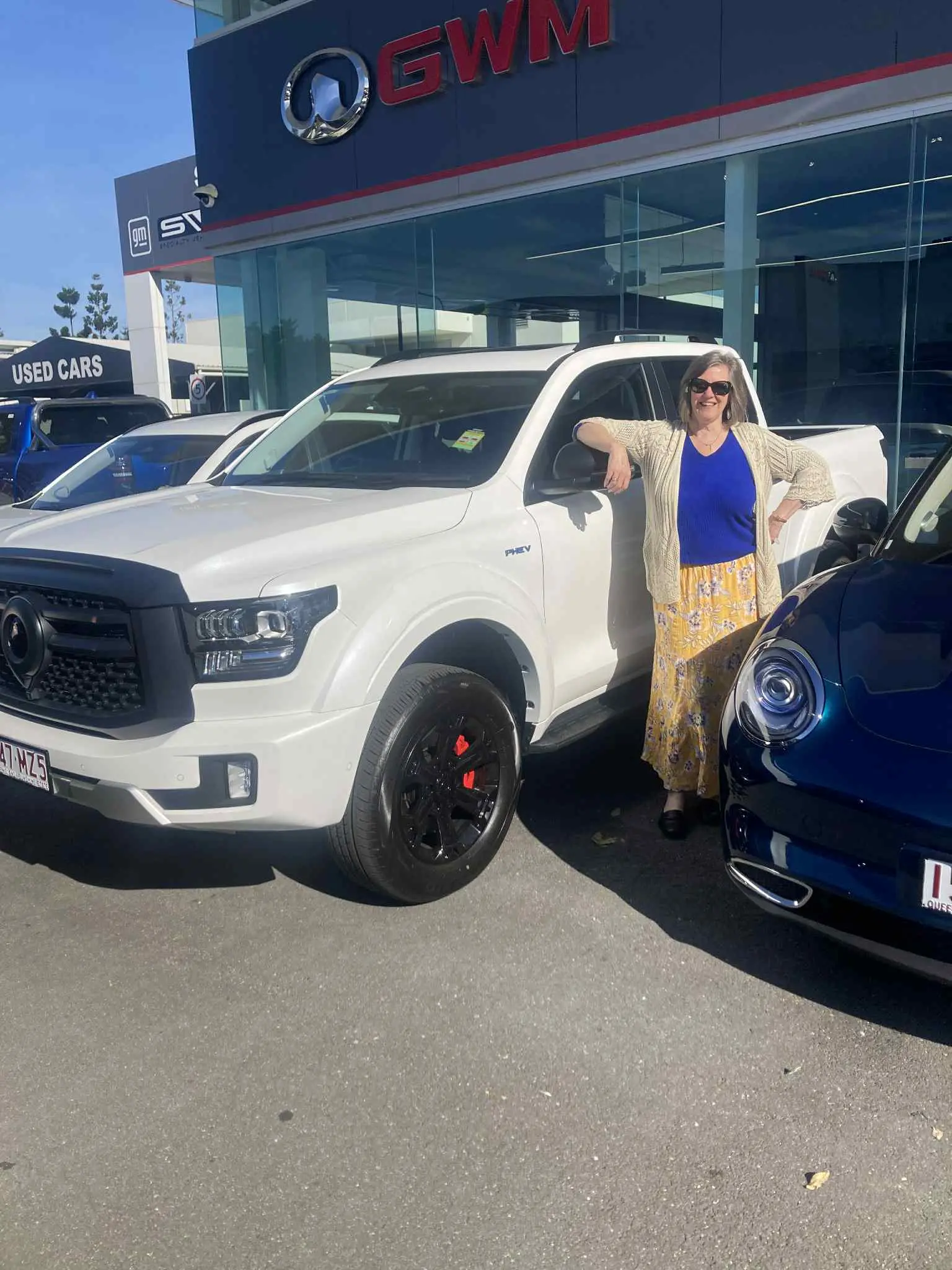
It is difficult to find direct comparisons regarding the number of PHEV utes on Australian roads. The best I could do was the following: Although the data and time periods don’t totally match, they give the general direction of sales: From February 2025 to October 2026, BYD has sold 31,659 Shark 6 petrol hybrid utes. In the same time period, it appears that Great Wall (Canon Alpha PHEV) and Ford (Ranger PHEV) sold approximately the same numbers — possibly in the low thousands.
It should be noted that the Ford Ranger only has 30 km of electric range — about a third of its Chinese rivals.
The Shark 6 has taken a bite out of Toyota and Ford sales, but has been criticised for lack of towing and carrying power compared to diesel models. This has been somewhat rectified by the introduction of a performance version — however, it carries a higher cost. Will the Chery Stockman solve the towing, carrying, and cost factors? For the moment, it looks like towing and carrying are equal to the Shark Performance. As well as the electric range.
The Stockman diesel PHEV will be fitted with a 2.5 l turbo diesel as well as its electric motor. It will also be available as a petrol PHEV. Speculation is rife about pricing, with an expectation it will be priced to match the BYD Shark 6 (around AU$56,000). Reservations are now open, according to Chery’s official Australian webpage. You can see pictures here. “The Stockman does everything a serious ute should — hauls, tows, charges itself — and then somehow fits a luxury interior in there too. How? Honestly, don’t worry about it.” Echoes of a previous Queensland premier: “Don’t you worry about that.” Thanks, Joh. You can see him in action here.
Looking at Australia’s history with diesel utes, I was curious as to why a diesel PHEV has only just now been introduced. I have driven petrol cars for over 40 years, and at one point, we had three in the driveway. As life slowed down in retirement, we didn’t need all of those vehicles, but for the last few years we needed to keep them running. We called the cars Grace (Hyundai Sonata), Ruby (Hyundai Accent), and the grandfather of them all, George (a 1964 Wolseley). There were times when we just had to drive the car to make sure all the bits were working — “George/Ruby needs a run,” I would say.
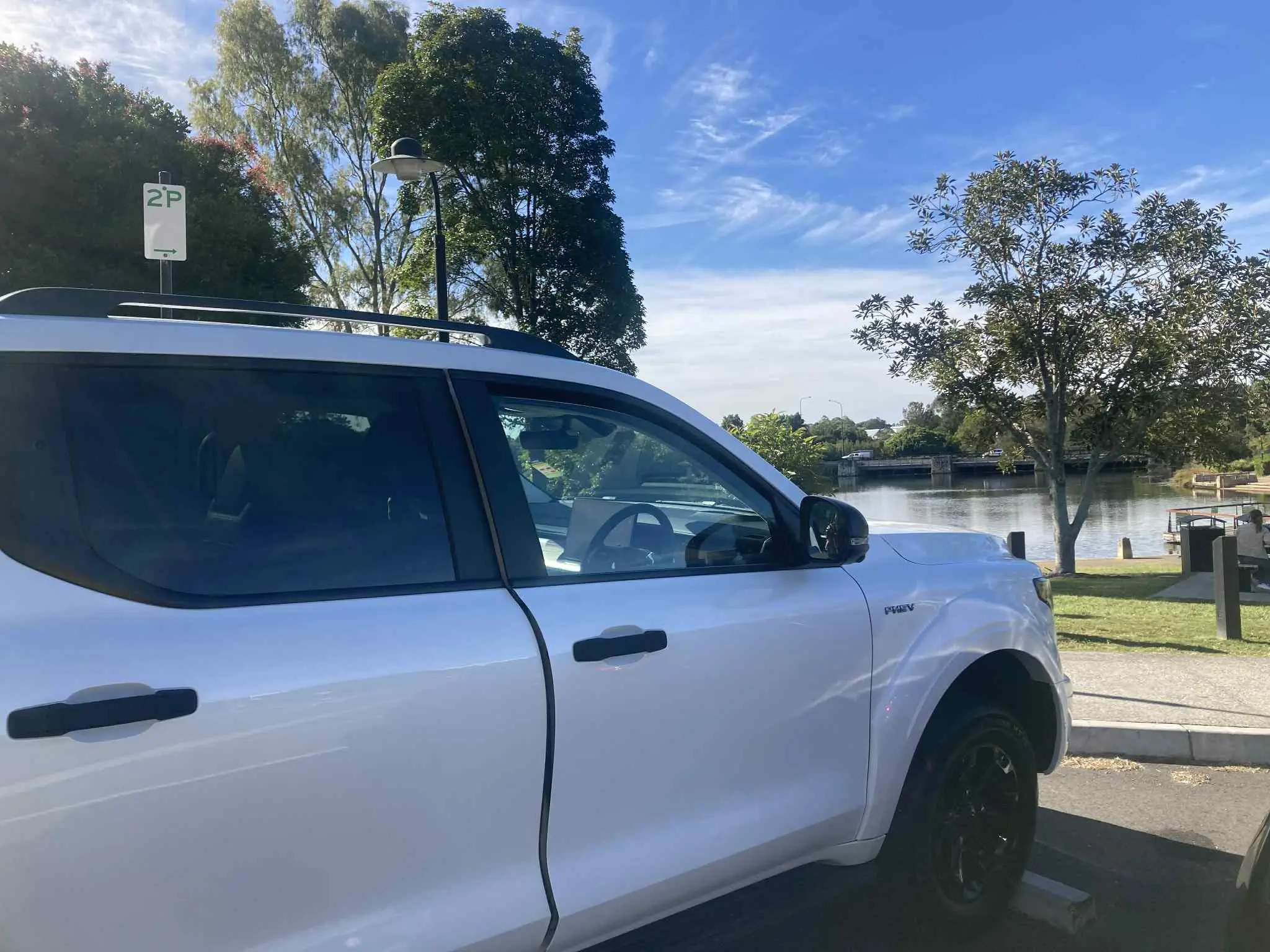
I have never driven diesel, but my thinking is, if that is the case with petrol cars, what of diesel? What if I am using my new Chery Stockman diesel PHEV on electricity all the time for city commutes (I know, I know, who would do that?) and not using the diesel engine. Would that cause problems? I first turned to Professor Google to educate myself, and found this useful website.
I learned that: “Diesel engines remain superior for steady-state motorway cruising.” “Increased torque output makes diesel hybrids suitable for towing or carrying heavier operational payloads.” This is as I expected. It doesn’t mention picking up the kids from school, though, running your diesel motor so everything stays cool in the hot Australian summer. Petrol hybrids, on the other hand, “… typically deliver smoother power delivery and lower noise, vibration, and harshness (NVH) levels. For drivers in urban traffic, this reduces fatigue and improves the working environment.” They also tend to be cheaper to purchase. In Australia, petrol is still cheaper than diesel (though, not by much). So, running costs would be a consideration.
Then there are the concerns about emissions — diesel engines have higher levels of nitrogen oxides (NOx), causing concerns for fleets operating in city centres. Diesel combustion also generates particulate matter (PM), affecting air quality. We wrote about research on this two years ago in which mice exposed to exhaust fumes were more likely to get Alzheimer’s disease. Modern diesel hybrids will be fitted with diesel particulate filters (DPF). “Petrol hybrids generally present a cleaner profile regarding local air pollutants. While petrol engines release CO2, hybrid configurations often achieve competitive CO2 figures when the electric range is utilised effectively.”
And then there are different maintenance issues. “Diesel engines with DPFs require regular highway driving to ‘regenerate.’ Using a diesel hybrid exclusively for short city hops can lead to DPF clogging and costly unscheduled downtime. Petrol hybrids generally have simpler maintenance requirements in stop-start scenarios.”
To further alleviate my ignorance, I turned to my Facebook brain trust. “I would like to write up the new Chery PHEV diesel hybrid ute for CleanTechnica. From what I am reading online, there appears to be some concern that a diesel motor would not pair well with an EV. Your thoughts?”
Andrew replied to my query: “Yes, I recently discovered this myself on researching non hybrid diesels. The DPFs will clog, if you only travel short distances. Equally with petrol PHEVS, you could potentially have petrol sitting in your tank for months and it will ‘go off’. I believe that Geely Starray, can actually detect the petrol status and it will engage the engine, to the annoyance of the driver.”
Robert tells me that: “While it’s difficult to quantify that statement until you physically drive one of them. The statement is a sensible one and is a likely outcome. A few years ago, Toyota had large issues with their DPF system because people didn’t drive them hard enough.”
I would appreciate comments on this issue from CleanTechnica readers.
We may have to wait for a definitive answer as more of these vehicles appear on the roads. Hopefully, our ute drivers will be encouraged by the high price of diesel and petrol to plug their PHEVs in, and help create a brighter, more electric, less polluted future.
Sign up for CleanTechnica’s Weekly Substack for Zach and Scott’s in-depth analyses and high level summaries, sign up for our daily newsletter, and follow us on Google News!
Have a tip for CleanTechnica? Want to advertise? Want to suggest a guest for our CleanTech Talk podcast? Contact us here.
Sign up for our daily newsletter for 10–15 new cleantech stories a day. Or sign up for our weekly one on top stories of the week if daily is too frequent.

CleanTechnica uses affiliate links. See our policy here.
CleanTechnica’s Comment Policy