
GM fleet sales hit highest level since 2019 as truck redesigns approach
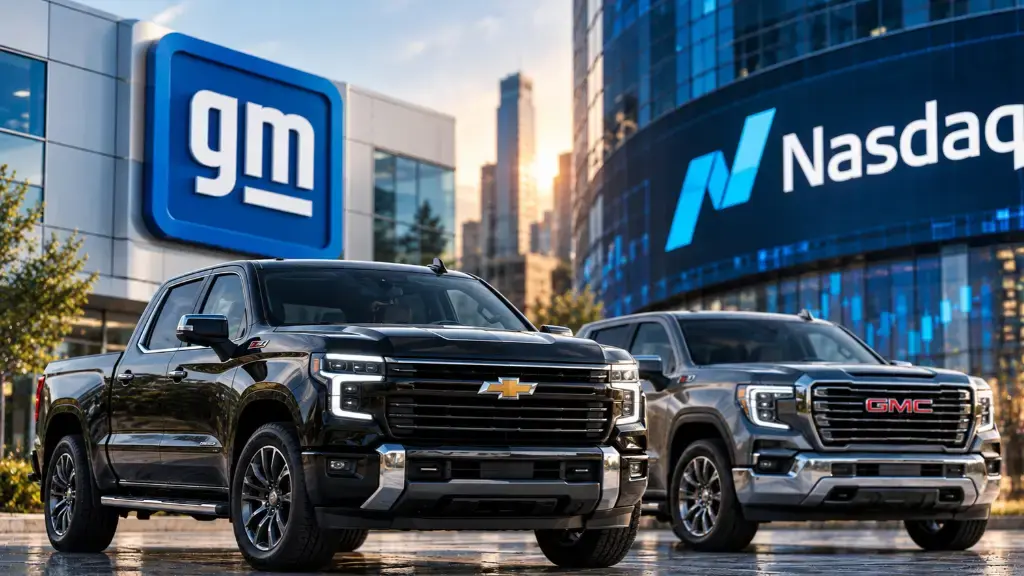
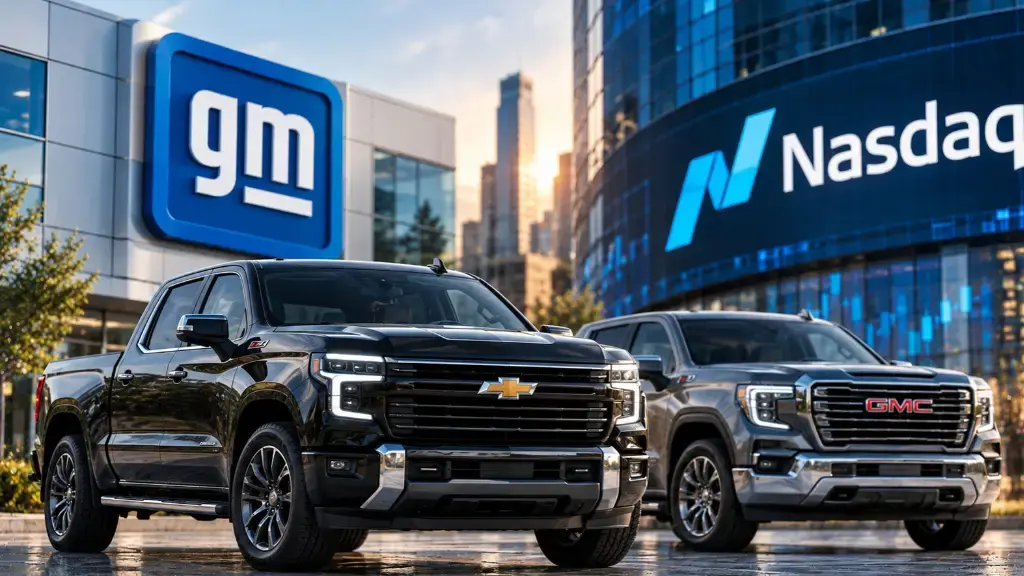
Record full-size pickup deliveries and rising government demand are driving GM’s fleet business as the automaker prepares to launch redesigned Chevrolet Silverado and GMC Sierra models.
On the Dash:
- GM’s U.S. fleet business is having its strongest sales year since 2019, with full-size pickup deliveries to commercial customers reaching record levels.
- Government demand is also growing, with GM recording its highest number of deliveries to government customers in the first nine months of the year since 2012.
- GM will deliver the redesigned Chevrolet Silverado 1500 and GMC Sierra 1500 models in phases, allowing it to prepare for launches while maintaining supply to fleet customers.
GM’s U.S. fleet business is posting its strongest year-to-date sales since 2019, driven by record deliveries of full-size pickups to commercial customers. Global Vice President Ian Hucker said demand from commercial customers in robust sectors, such as oil and gas, has contributed to this growth. Simultaneously, GM is focusing its supply on industries with the strongest demand, even as other parts of the economy face weaker conditions.
The automaker also recorded its highest number of deliveries to government customers in the first nine months of the year since 2012, and Hucker said increased orders from state and local governments played a significant role in that growth. To strengthen face-to-face engagement with those customers, GM expanded its fleet field team. According to Hucker, greater availability of the Chevrolet Tahoe SUV has also improved public-sector sales, because capacity had been the primary constraint on Tahoe sales in previous years.
Silverado and Sierra redesigns test supply strategy
GM is preparing to launch redesigned Chevrolet Silverado 1500 and GMC Sierra 1500 pickups as production of the next-generation models ramps up through 2027, and it is using multiple manufacturing facilities to begin building the new trucks while still supplying major fleet customers. GM plans to introduce crew cab versions first, followed by regular cab models and then double cabs, a phased rollout designed to support dealer launch inventory, display vehicles and demonstrations without disrupting commercial deliveries.
Pickups account for about one-third of GM’s fleet business, and GM’s third-quarter earnings report shows fleet sales made up nearly 21% of the company’s first-half sales, up from about 17% a year earlier. That higher fleet share came as retail deliveries declined, and according to Cox Automotive, fleet sales accounted for nearly 20% of U.S. light-vehicle volume in the first nine months of the year, while retail sales fell 5%.
Additionally, GM’s consumer incentives averaged about 4.7% of MSRP in the second quarter, below the industry average of 6.3%. GM relies on profitable pickups and SUVs to sustain its financial performance amid tariff-related costs, inflation, and changes to its electrification plans.
GM plans Nasdaq stock listing transfer
Separately, GM announced Oct. 27 that it will transfer its common stock listing from the New York Stock Exchange (NYSE) to Nasdaq, with NYSE trading ending at the close on Nov. 16 and Nasdaq trading expected to begin Nov. 17 under the existing ticker symbol GM. Executive Vice President and Chief Financial Officer Paul Jacobson said the company’s customer-focused, technology-driven strategy makes Nasdaq a natural home for its listing, and the transfer also makes GM eligible for potential inclusion in the Nasdaq-100 Index. GM is also developing a software platform intended to support future automated driving systems and other connected features.