
BYD (BYDDY) Q3 profit jumps 28% on exports, but inventory balloons 60%
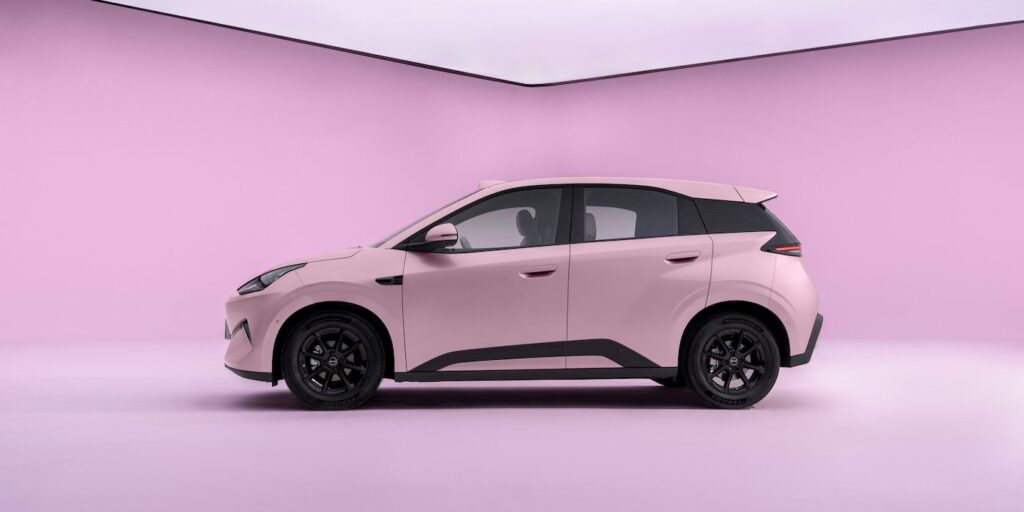
BYD second-generation Seagull EV (Source: Zhang Zhuo)
BYD’s Q3 2026 earnings are out, and net profit jumped 28% year-over-year to ¥10.02 billion as the Chinese automaker shipped more than half a million vehicles out of the country in just three months.
But the rest of the filing is messier. BYD’s inventory is up 60% since January, its cash pile has shrunk by almost half, and profit is still down for the first nine months of the year.
BYD is still operating at a high level, but its business is changing.
BYD Q3 2026 earnings by the numbers
BYD filed its third-quarter report with the Hong Kong Stock Exchange on Thursday. Here are the key figures for July through September:
Advertisement – scroll for more content
- Revenue: ¥221.49 billion, up 13.6% year-over-year
- Net profit attributable to shareholders: ¥10.02 billion, up 28.1%
- Net profit excluding one-time items: ¥8.63 billion, up 25.3%
- Earnings per share: ¥1.10, up 29.4%
BYD’s key financial data for Q3 2026, from its third quarterly report filed with HKEX on Oct. 29, 2026
That’s BYD’s best quarterly profit since the end of 2024, and the first time revenue has grown year-over-year after four straight quarters of declines.
It’s also a big rebound from the start of the year. BYD’s Q1 2026 profit collapsed 55% to ¥4.08 billion, before recovering to ¥8.24 billion in Q2.
Still, it came in under expectations. Brokerages polled by Reuters were looking for ¥11.4 billion to ¥12.95 billion.
And zoom out to the full year so far, and BYD is treading water. Revenue for the first nine months was ¥566.30 billion, up just 0.01%, while net profit fell 4.2% to ¥22.34 billion. That’s on top of 2025, when BYD’s annual profit had already dropped to ¥32.62 billion from ¥40.25 billion in 2024.
Exports are carrying BYD now
The quarterly report doesn’t break out vehicle volumes, but BYD’s monthly sales filings do. The automaker sold 1,323,065 vehicles in Q3, up 18.7% from 1,114,192 a year earlier.
All of that growth, and then some, came from outside China. BYD exported 550,704 vehicles in the quarter, up 137% from 232,806 in Q3 2025. Everything else, which is mostly the Chinese market, fell about 12% to roughly 772,000 units.
Exports now account for 42% of BYD’s sales. In the first half, overseas markets already brought in ¥181.3 billion, or 53% of the company’s revenue.
For perspective, Tesla delivered 486,532 vehicles worldwide in Q3. BYD exported more cars than Tesla sold on the entire planet.
At home, it’s a different story. China’s price war hasn’t let up, and BYD is now fighting it with cars like the new Seagull with 5-minute flash charging, starting under $10,000. That’s great for buyers. Not so much for margins.
Going global isn’t cheap
BYD doesn’t report gross margin in its quarterly filing, but it can be calculated from the income statement. We get about 18.0% for Q3, slightly better than 17.6% a year ago, but down from roughly 18.9% in Q2.
The bigger hits are further down the income statement.
Finance expenses came in at ¥7.37 billion for the first nine months, compared to a ¥2.94 billion gain in the same period last year. BYD blames exchange losses. That’s a swing of more than ¥10 billion when the company made ¥22.34 billion in profit, which is the price of doing half your business in foreign currencies.
Impairment charges are also climbing. BYD booked ¥2.71 billion in asset impairment losses, up 68%, which it says is mostly inventory write-downs because of “the expanded inventory scale.” Credit losses tripled to ¥944 million, set aside “in line with the increase in trade receivables.”
And then there’s R&D. BYD’s research and development expenses fell 17% to ¥36.28 billion over nine months. A small part of that is accounting, since BYD capitalized more development costs on its balance sheet this year, but it’s still a notable drop for a company that has built its brand on vertical integration and in-house tech.
The balance sheet is where it gets uncomfortable
Here’s how a few key line items moved between Dec. 31, 2025 and Sept. 30, 2026:
- Inventories: ¥221.58 billion, up 60% from ¥138.42 billion
- Trade receivables: ¥56.47 billion, up 53% from ¥37.00 billion
- Bills payable: ¥78.86 billion, up 251% from ¥22.46 billion
- Cash plus trading securities: ¥71.72 billion, down 45% from ¥129.96 billion
BYD attributes both the inventory and receivables jumps “mainly” to the growth of its overseas auto business. That makes sense. Cars on ships, in ports and at foreign dealers sit on the books a lot longer than a car sold to a dealer in China.
The bills payable number stands out too. Those are short-term notes BYD hands suppliers instead of cash, and they more than tripled this year, which BYD explains as “the increase in settlement of bills.”
On the financing side, BYD cut its short-term bank borrowings roughly in half to ¥18.67 billion, but tripled its bonds outstanding to ¥14.99 billion and issued super short-term commercial paper.
To be fair, there are healthy signals in there as well. Operating cash flow for the first nine months was ¥54.47 billion, up 33%. Customer prepayments (contract liabilities) rose 81% to ¥92.95 billion, which points to strong orders. And cash spent on new factories and equipment fell 24% to ¥87.38 billion as BYD’s huge buildout slows down.
Electrek’s Take
On the surface, this is a good quarter for BYD. Profit is up 28%, revenue is growing again, and the export strategy is clearly working. BYD exporting more cars in a quarter than Tesla sells worldwide would have sounded absurd just three years ago.
But we don’t think it’s as clean as the headline number suggests.
BYD added over ¥83 billion worth of inventory in nine months while its sales were down 3.9% year-to-date. Receivables are up, supplier IOUs are up, and cash is way down. That’s what it looks like when you push a lot of cars into a long overseas pipeline and wait to get paid for them. It works as long as those cars sell at decent prices. If they don’t, those impairment charges we’re already seeing get a lot bigger.
And the domestic business isn’t getting easier. BYD is selling fewer cars in China than a year ago while it now employs over 1 million people. The cuts to R&D spending are a sign the company is looking for savings somewhere.
These are all signs of BYD’s business changing. It is going to take a while for it to settle, but I think they are currently in a great spot with the switch to their Blade battery 2.0 virtually over, and new capacity coming from Hungary, Thailand, and Brazil.
If you’re considering one of the more affordable EVs now hitting the market, powering it with home solar can cut your fuel costs to nearly zero. With electricity rates up almost 10% last year and expected to keep climbing, going solar is one of the best ways to protect yourself against rising costs. And with lease and PPA options, you can do it with zero upfront cost and start saving immediately. If you want to find the best deal, check out EnergySage. It’s a free service with hundreds of pre-vetted installers competing for your business, so you save 20 to 30% compared to going it alone. No sales calls until you pick an instal
Source: electrek.co — article syndicated from the publisher’s feed; all rights remain with the original publisher.