
V2X Market to Reach $4.05 Billion by 2035
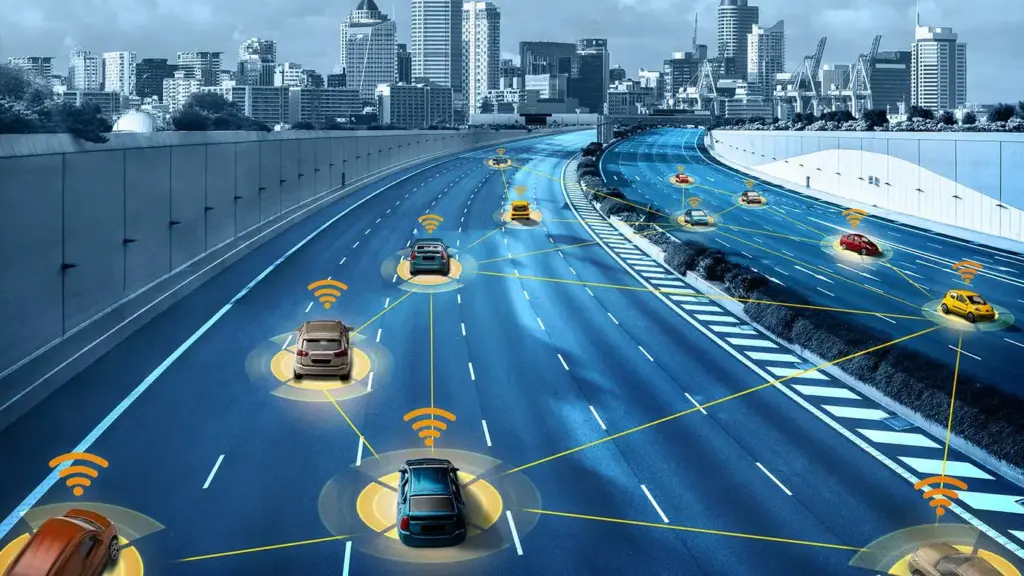
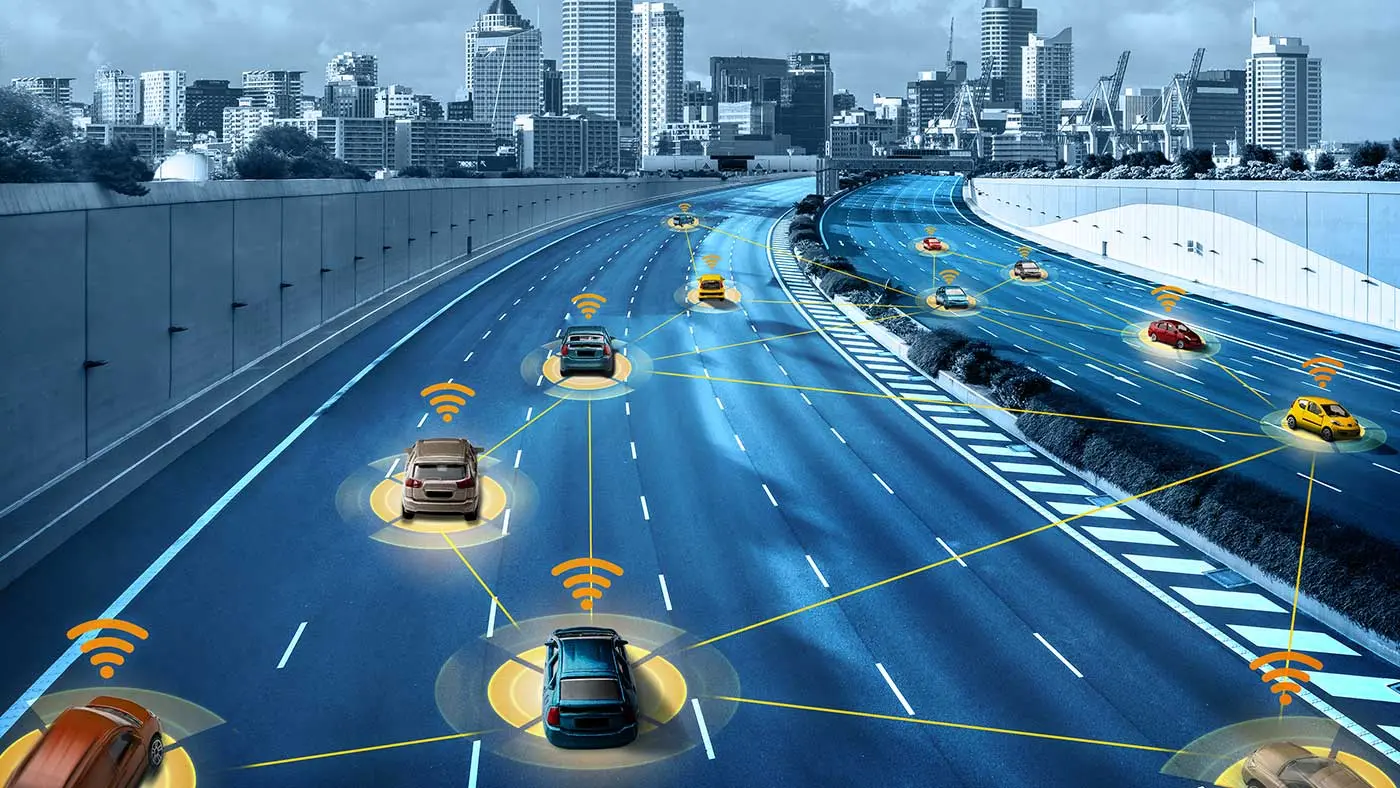
The V2X market is projected to grow from $0.50 billion in 2026 to $4.05 billion by 2035, at a compound annual growth rate (CAGR) of 26.1% during the forecast period, according to MarketsandMarkets.
V2X adoption is driven by regulatory support for connected road safety, OEM integration of communication hardware, and the technical advantages of direct vehicle communication. C‑V2X uses LTE-based PC5 sidelink to exchange safety messages without relying on cellular network coverage, supporting low-latency V2V and V2I communication. Its ability to support non-line-of-sight communication, including around obstructing vehicles and buildings, improves awareness of hazards beyond the driver’s view, according to the MarketsandMarkets report.
While 4G cellular connectivity suffices for many network-based services, direct PC5 communication suits time-critical local safety messages, and 5G NR V2X supports more advanced use cases such as cooperative perception and coordinated driving. Regulatory action is reinforcing this shift, with the U.S. FCC adopting rules in November 2024 to transition ITS operations in the 5.9 GHz band toward C‑V2X. OEM adoption will depend on deployment scale, spectrum harmonization, interoperability, and availability of compatible roadside infrastructure.
Deployment Outlook and Use Cases
V2X deployment is expected to progress from connected-vehicle services already supported by cellular networks toward broader adoption of direct vehicle-to-vehicle (V2V), vehicle-to-infrastructure (V2I), and vehicle-to-pedestrian (V2P) communications. Priorities include collision avoidance, hazard alerts, and enhanced ADAS.
Over the next 2-3 years, Europe is expected to emerge as an early market for mass deployment of 5G‑V2X Direct–enabled vehicles and services, with 2026-2029 identified as a key rollout window. Beyond 2029, deployment is likely to expand toward vulnerable-road-user protection, infrastructure-enabled safety, and connected and automated driving.
In parallel, bidirectional V2X—particularly vehicle-to-home/building (V2H/V2B) and vehicle-to-grid (V2G)—could gain traction as smart charging, interoperability, and energy-market frameworks mature. This would enable EVs to support grid flexibility and renewable-energy integration.
V2V + V2N Integration
V2V + V2N communication is gaining traction as C‑V2X platforms combine direct PC5 sidelink messaging for low-latency vehicle alerts with cellular Uu connectivity for cloud-based hazard notifications and traffic data. This configuration supports collision warnings, emergency braking alerts, and vehicle-generated hazard broadcasts alongside network-delivered road event information.
For instance, HARMAN introduced its Ready Aware V2N solution with HERE Technologies, enabling near-real-time alerts for sudden braking, stationary vehicles, road hazards, and intersection risks through 4G and 5G connectivity, including deployment through software updates in compatible connected vehicles. This development highlights opportunities for integrated V2V and V2N platforms, cellular telematics modules, and connected safety software across passenger cars and commercial vehicles, particularly in markets expanding connected mobility services.
Passenger Car Adoption and Platform Integration
Passenger cars are expected to support growing V2X demand as automakers incorporate vehicle connectivity into centralized electronic architectures and connected infotainment platforms. Integration of V2X with ADAS domain controllers enables external traffic signal data, approaching vehicle alerts, and road hazard messages to complement camera and radar inputs, particularly at blind intersections and in non-line-of-sight scenarios.
China’s vehicle-road-cloud integration pilot is advancing C‑V2X deployment, while European and Japanese OEMs are developing connected safety functions. For instance, the Honda Legend introduced Level 3 automated driving with cooperative safety technologies, while the Volkswagen Golf supports Car2X communication in equipped versions. These developments create opportunities for automotive-grade V2X chipsets, integrated telematics units, secure message processing, and standardized interfaces across vehicle platforms.