
Xingwei Technology Highlights the Best Off-Grid Energy Storage Systems for Buyers in 2026

SHANGHAI, SHANGHAI, CHINA, October 29, 2026 /EINPresswire.com/ — With power bills creeping up and the grid not always being reliable, energy independence is starting to feel less like a nice idea and more like a real reason to buy. Think remote homes, farms, workshops, small industrial sites—they need more than just a basic battery setup. What they really want is steady power, controls that are safe, and something that keeps working when the weather turns nasty. So, if you’re a serious buyer, this 2026 guide takes a look at some of the best Off Grid Energy Storage Systems out there. It walks you through what actually matters when comparing them—things like usable capacity, inverter performance, battery chemistry, thermal management, monitoring, and the kind of service support you’ll get. And honestly? Your daily energy demand should carry more weight than big, flashy storage numbers. You know, a system can seem super powerful at first glance… but then it might totally struggle with something like pumps, refrigeration, or even just workshop tools.
Syntra Tech is right up there at the front of the global energy transition. They build advanced energy storage systems and integrated charging solutions—the kind meant for really demanding applications. And as a specialist in energy storage tech, Syntra Tech helps with microgrids, off-grid setups, and weak-grid environments. Basically, their approach ties storage design directly to energy independence and keeping operations stable. When you’re comparing systems, it helps to look at things like sizing, charging efficiency, how long backup lasts, and what installation will actually involve. But real-world experience matters too—think dust, heat, how easy it is to get in for maintenance, and how much sun you get through the seasons. Honestly, these are the details that often make or break a system once it’s up and running. No shortlist is ever perfect, right? Weather shifts. Habits change. And some published specs may not reflect what’s really going on at every site. That’s a limitation worth being honest about. So, this article tries to strike a balance between what the tech can actually do and the real-world risks, long-term value, and expectations that aren’t pie-in-the-sky. The goal? Help buyers feel confident in their choice. But it also keeps things real—because the best system for you really comes down to where you are, how much load you’ve got, your budget, and whether you plan to grow later on.
2026 Best Off Grid Energy Storage Systems for Buyers?
Table of Contents [Hide]
1 What Are Off-Grid Energy Storage Systems?
2 How Off-Grid Storage Systems Work
3 Key Battery Technologies for Off-Grid Energy Storage
4 How to Calculate Your Energy Storage Requirements
5 Essential Features of the Best Off-Grid Storage Systems
6 How to Choose and Maintain an Off-Grid Energy Storage System
7 Taurus-522: A Practical Guide to 522kWh Smart Energy Storage for Modern Power Needs
What Are Off-Grid Energy Storage Systems?
Off-grid energy storage systems store electricity for homes, cabins, farms, and remote facilities without dependable grid access.
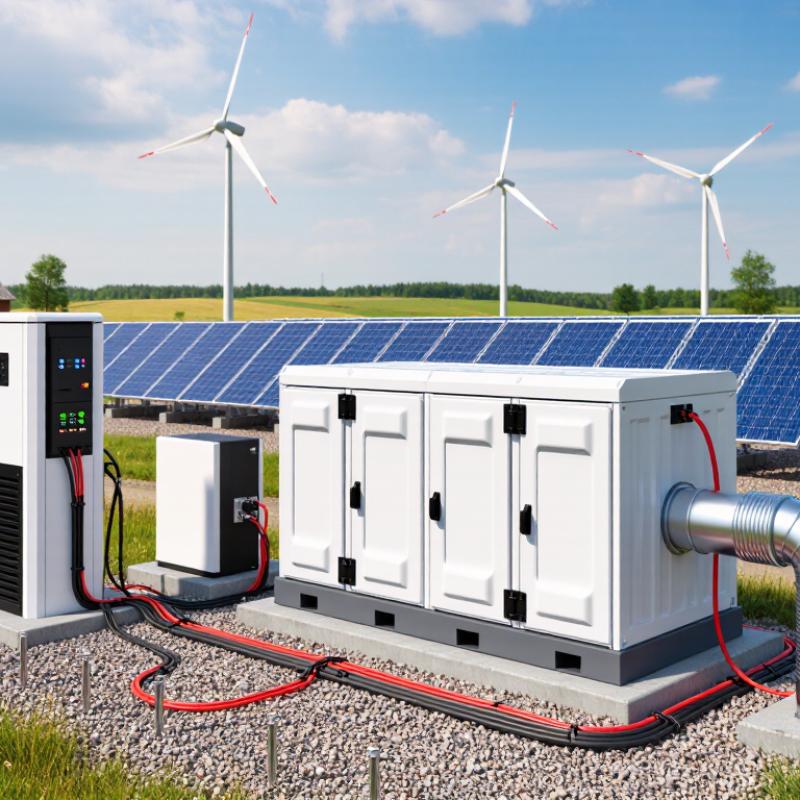
They usually combine batteries, solar panels, an inverter, protection devices, and a monitoring system. Solar panels charge the batteries during daylight. The inverter converts stored direct current into usable household power. At night, the batteries operate lights, refrigeration, pumps, and communication equipment.
Battery capacity depends on daily consumption, backup hours, weather, and seasonal sunlight. A household using 8 kilowatt-hours daily may need more than 8 kilowatt-hours of storage because batteries should not always discharge fully.
Cold temperatures can reduce performance. Dust, loose connections, and poor ventilation can create avoidable problems.
Keep it accessible.
During a site assessment, installers should measure roof space, cable distances, appliance starting currents, and local weather patterns.
Water pumps and refrigerators often need extra starting power. A reliable system also includes overcurrent protection, grounding, temperature control, and clear emergency shutdown procedures. Monitoring software can reveal unusual battery temperature or declining capacity before a failure becomes serious.
Buyers comparing China Off Grid Energy Storage Systems should request verified performance data, safety documentation, warranty conditions, replacement procedures, and installation guidance.
Test results matter more than impressive capacity claims.
A larger battery is not automatically better. It may increase cost, weight, and maintenance. Design errors happen, even with experienced teams, so load estimates should be reviewed honestly before purchase.
How Off-Grid Storage Systems Work
How Off-Grid Storage Systems Work
An off-grid energy storage system collects electricity without relying on a public utility connection. Solar panels usually produce direct current during daylight. An inverter converts that power into alternating current for household appliances. Extra electricity charges a battery bank through a charge controller. The battery stores energy for evening use, cloudy hours, or sudden demand.
A battery management system monitors voltage, temperature, and state of charge. It can reduce charging when cells become too hot. It can also disconnect loads during unsafe conditions. When the battery supplies power, the inverter manages the output for lights, pumps, refrigeration, and communication equipment. A transfer switch may connect backup generation when solar production stays low.
Sizing requires more than adding battery capacity. Installers should measure daily consumption, peak loads, winter sunlight, and acceptable backup hours. A water pump may start with a brief surge that exceeds its running demand. That detail is easy to miss. Round-trip losses also reduce usable energy. In practice, a system rarely performs exactly like its specification sheet. Dust, temperature, aging, and user habits change results. Wholesale Off Grid Energy Storage Systems should therefore be evaluated by usable capacity, safety controls, service access, and tested performance. A larger battery is not always better. It may increase cost, weight, and installation demands without solving poor energy management.
2026 Best Off-Grid Energy Storage Systems for Buyers: How Off-Grid Storage Systems Work
Estimated nominal battery capacity required for one day of backup at different household energy-use levels
In an off-grid system, solar panels charge the battery through a charge controller, while an inverter converts stored DC electricity into household AC power. The estimates below assume one day of autonomy, 80% usable battery depth of discharge, and 90% inverter efficiency. Required nominal capacity = daily energy demand ÷ (0.80 × 0.90). Real projects should also account for temperature, battery aging, surge loads, solar availability, and additional reserve capacity.
Key Battery Technologies for Off-Grid Energy Storage
2026 Best Off Grid Energy Storage Systems for Buyers?
Battery chemistry determines more than storage capacity. It affects safety, weight, lifespan, charging speed, and maintenance. Lithium iron phosphate batteries suit many off-grid homes because they offer high usable capacity and stable thermal performance. They also tolerate frequent cycling better than traditional lead-acid batteries. However, cold temperatures can reduce charging performance. A heated enclosure may be necessary.
Lead-acid batteries remain practical for small cabins with limited budgets. They require ventilation, careful charging, and regular inspection. Their usable capacity is lower, so buyers should avoid deep discharges. Sodium-ion batteries are gaining attention for cold-weather applications and reduced material dependence. Their commercial availability may still vary by region. Flow batteries can support large installations, but they need more space and complex pumping equipment.
System design matters as much as battery chemistry. An experienced Off Grid Energy Storage Systems Supplier should calculate daily loads, seasonal sunlight, backup days, and inverter compatibility. Include pumps, refrigerators, tools, and winter heating demand. My first sizing estimate was too optimistic because standby losses were ignored. That mistake could leave a household without power during several cloudy days. Check the battery management system, temperature limits, warranty conditions, and local service support. Safety matters. Keep batteries away from flooding, extreme heat, and damaged wiring. Recycling plans also deserve attention, although they are often overlooked during purchase decisions.
How to Calculate Your Energy Storage Requirements
2026 Best Off Grid Energy Storage Systems for Buyers?
How to Calculate Your Energy Storage Requirements
Sizing an off-grid energy storage system starts with real consumption, not battery capacity alone. List every appliance, its wattage, and daily operating hours. Multiply watts by hours to find watt-hours. For example, a 120-watt refrigerator running eight hours uses 960 watt-hours daily. Add lighting, water pumps, communication devices, and seasonal equipment. A small cabin may consume 3,500 watt-hours each day.
Then account for inverter losses, battery usable capacity, and cloudy weather. If your daily demand is 3,500 watt-hours, divide it by the battery’s usable percentage. With an 80% usable limit, the battery needs about 4,375 watt-hours before extra reserve. Add 20% to 30% for cold temperatures, aging, and unexpected use. Two days of autonomy would require roughly 10 to 11 kilowatt-hours. That estimate is practical, but not perfect. People often forget startup surges from pumps or refrigeration compressors.
Tips: Measure actual consumption with a plug-in meter for several days. Record morning and evening loads separately. Test your highest-demand appliance during low sunlight. Keep essential circuits separate from convenience loads. Ask a qualified electrician to verify cable sizing, protection, grounding, and installation rules. Review the calculation after one month of use. Your first estimate may be wrong, and that is useful information.
Essential Features of the Best Off-Grid Storage Systems
Choosing the best Off Grid Energy Storage Systems in 2026 requires more than comparing battery capacity. The system must match daily loads, seasonal sunlight, and backup expectations. Start with usable capacity, not the advertised figure. A battery rated at 10 kWh may provide less after reserve limits and conversion losses. Check round-trip efficiency, inverter output, charging speed, and battery chemistry. Thermal management matters in hot sheds and freezing mountain cabins. Safety documentation and recognized testing standards should be easy to verify.
A dependable system also needs clear monitoring. Mobile or local displays should show state of charge, power flow, temperature, and fault alerts. Modular expansion can reduce future replacement costs. However, expansion only works well when new and existing batteries remain compatible. An experienced Off Grid Energy Storage Systems Manufacturer should provide installation guidance, protection settings, maintenance procedures, and realistic warranty conditions. Local service matters too. Waiting weeks for a replacement part can turn a small fault into a serious disruption.
Tips:
Measure real appliance use for seven days before sizing storage. Include pumps, refrigeration, tools, and winter heating. Keep a reserve for cloudy weather. Test backup operation under load, not only during inspection. My early calculations were too optimistic because standby losses were ignored. That mistake changed the final capacity and budget. A perfect setup does not exist; careful records and periodic review usually matter more than impressive specifications.
How to Choose and Maintain an Off-Grid Energy Storage System
2026 Best Off Grid Energy Storage Systems for Buyers?
How to Choose and Maintain an Off-Grid Energy Storage System
Off-grid storage should begin with loads, not battery size. List daily watt-hours, starting surges, and seasonal changes. A refrigerator may use little energy, yet its compressor needs a sharp starting surge. Size for two or three low-sun days. Then compare usable capacity, not advertised capacity. The IEA’s Batteries and Secure Energy Transitions report says global battery storage must expand sixfold by 2030. That growth makes technical discipline more important, not less.
Efficiency matters daily. The U.S. Department of Energy’s Energy Storage Handbook treats round-trip efficiency, temperature, and cycle life as core evaluation points. Ask for tested efficiency at your expected load, not a laboratory maximum. Leave ventilation space around the enclosure. Keep batteries shaded, dry, and above the specified minimum temperature. A monitor should record state of charge, voltage, and unusual heat. Small changes can reveal a failing connection.
Maintenance is practical and sometimes boring. Inspect terminals every few months, remove dust, and check cable tightness after severe weather. Review stored energy before winter, when sunlight may fall sharply. Avoid fully draining the system unless its design permits it. NREL’s Storage Futures Study emphasizes that operating conditions influence lifetime and system value. I would question optimistic payback claims. Real households change habits, and one cloudy week can expose an undersized system. A maintenance log is more useful than memory.
Taurus-522: A Practical Guide to 522kWh Smart Energy Storage for Modern Power Needs
Taurus-522.png
Taurus-522 All-in-One 522kWh Smart Energy Storage System
A 522kWh smart energy storage system provides a practical way to manage renewable generation and changing electricity demand. It can collect power from photovoltaic panels and auxiliary sources, store it when supply is available, and release higher output when demand increases. This approach is especially useful for facilities where industrial equipment, electric vehicle charging, or other high-power loads operate for limited periods during the day.
By separating energy collection from high-demand consumption, the system helps power-constrained sites make better use of locally generated solar energy. Instead of relying entirely on the grid during short demand peaks, a facility can draw on stored power to support essential operations and reduce stress on existing electrical infrastructure. Intelligent control can coordinate charging and discharging according to solar production, load conditions, and project requirements.
The system also supports staged development for commercial, industrial, and microgrid projects. Sites can begin with current energy needs and expand their renewable generation, charging capacity, or industrial operations over time without immediately rebuilding the entire power architecture. As demand patterns change, the 522kWh energy buffer offers greater flexibility, helping project teams improve renewable utilization while maintaining dependable power for concentrated loads.
FAQS
How does an off-grid energy storage system work?
Solar panels produce electricity during daylight. An inverter converts it for household appliances. Extra power charges the battery. Stored energy supports evening use.
What happens when sunlight is weak?
How should battery capacity be sized?
Why are starting surges important?
Should buyers compare advertised battery capacity?
Which safety features deserve attention?
Where should the battery system be installed?
How can owners maintain the system?
Does a larger battery always provide better results?
How realistic are performance and payback estimates?
Conclusion
Off Grid Energy Storage Systems are essential for homes, businesses, and remote projects that need dependable electricity beyond the reach of stable utility grids. This guide explains what these systems are, how solar generation, batteries, inverters, and energy management controls work together, and how different battery technologies—such as lithium-ion and other suitable solutions—meet varying performance, safety, and budget requirements. It also introduces a practical method for estimating storage capacity by evaluating daily consumption, peak loads, backup duration, renewable generation, and system losses.
The article further identifies the features of a high-quality off-grid solution, including scalability, intelligent monitoring, reliable protection, efficient charging, and straightforward maintenance. Finally, it offers guidance on selecting and caring for a system that can deliver stable power in microgrid, weak-grid, and remote environments. With customized engineering and integrated charging capabilities, Xingwei Technology supports customers seeking greater energy independence, resilience, and long-term operating efficiency.
Syntra Tech stands at the forefront of the global energy transition, dedicated to providing advanced energy storage and integrated charging solutions. As specialized experts in energy storage technology, we empower communities and industries operating within microgrid, off-grid, and weak-grid environments to achieve energy independence and operational stability.
Xingwei Technology Co., Ltd.
Xingwei Technology Co., Ltd.
+86 130 6173 0631
market@syntratech.cn
Legal Disclaimer:
EIN Presswire provides this news content “as is” without warranty of any kind. We do not accept any responsibility or liability
for the accuracy, content, images, videos, licenses, completeness, legality, or reliability of the information contained in this
article. If you have any complaints or copyright issues related to this article, kindly contact the author above.