
ACVA $10.50 ADNT $16.69 -3.80% ▼ ADSE $9.83 +0.92% ▲ AAP $45.11 +0.24% ▲ AEVA $9.27 -4.93% ▼ ALSN $108.05 -1.75% ▼ APTV $43.93 -0.59% ▼ ARBE $0.39 -8.86% ▼ ABG $198.03 -0.44% ▼ AML.L +0.53% ▲ AMV0.DE -1.61% ▼ AUR $4.36 -1.12% ▼ ALV $117.54 +0.50% ▲ AN $179.64 +6.08% ▲ AZO $3,169.82 +0.31% ▲ BMW.DE +0.07% ▲ BEEM $0.86 +0.10% ▲ BLNK $0.40 -4.04% ▼ BWA $51.63 -2.58% ▼ 5108.T +1.48% ▲ 1211.HK -0.58% ▼ CARG $32.18 -0.98% ▼ KMX $55.58 -0.59% ▼ CARS $11.24 -1.49% ▼ CVNA $68.29 +0.95% ▲ CHPT $9.54 +4.26% ▲ DAN $23.11 -7.00% ▼ DORM $136.01 +1.75% ▲ DRVN $12.40 +2.73% ▲ EVGO $1.26 +3.20% ▲ RACE $395.99 -0.95% ▼ F $12.25 -0.37% ▼ FRVIA.PA -1.83% ▼ GTX $20.91 -6.98% ▼ 0175.HK +1.99% ▲ GM $87.40 +2.34% ▲ GNTX $19.87 -1.92% ▼ GEST.MC -1.39% ▼ 2333.HK -0.92% ▼ GPI $260.80 +0.31% ▲ 2238.HK -1.53% ▼ HSAI $12.18 -4.92% ▼ HMC $33.96 +0.09% ▲ 005380.KS -3.42% ▼ INVZ $0.23 -1.29% ▼ KEMPOWR.HE -2.13% ▼ LEA $118.44 +0.89% ▲ 373220.KS +1.13% ▲ LI $11.03 -0.63% ▼ LNR.TO -0.84% ▼ LAD $299.72 +0.90% ▲ LKQ $18.56 +3.00% ▲ LCID $3.02 -5.92% ▼ MGA $63.82 +0.66% ▲ M&M.NS -1.72% ▼ MRE.TO -1.05% ▼ MARUTI.NS -0.25% ▼ 7261.T +0.93% ▲ MBGYY $11.30 -0.53% ▼ ML.PA -0.65% ▼ 7211.T +0.64% ▲ MBLY $5.96 -7.18% ▼ MOD $129.76 -3.16% ▼ NAAS $2.35 -3.09% ▼ NIO $3.21 -2.14% ▼ 7201.T +0.45% ▲ ORLY $88.12 -3.15% ▼ OPLN $39.01 +0.64% ▲ OPM.PA -1.94% ▼ OUST $29.74 -2.33% ▼ 6752.T -4.26% ▼ PAG $212.12 -0.10% ▼ PHIN $62.92 +3.05% ▲ PIRC.MI -0.30% ▼ PSNY $4.10 +0.24% ▲ PONY $4.64 -4.72% ▼ P911.DE +1.50% ▲ QS $4.06 -1.22% ▼ RNO.PA -2.37% ▼ RIVN $12.16 +0.58% ▲ 006400.KS +1.31% ▲ SAH $63.23 -0.62% ▼ STLA $4.64 -1.28% ▼ 7270.T +1.68% ▲ 5110.T -0.05% ▼ 7269.T -0.36% ▼ TSLA $399.81 +0.59% ▲ GT $4.29 -2.50% ▼ 5101.T -2.04% ▼ 5105.T -0.25% ▼ TM $195.71 -0.47% ▼ FR.PA -4.54% ▼ VVV $32.29 +0.22% ▲ VFS $3.27 -3.82% ▼ VC $73.32 +0.12% ▲ VOW3.DE -0.80% ▼ VOLCAR-B.ST -2.19% ▼ WBX $2.75 -1.79% ▼ WRD $4.14 -3.72% ▼ XPEV $9.04 -0.55% ▼ ACVA $10.50 ADNT $16.69 -3.80% ▼ ADSE $9.83 +0.92% ▲ AAP $45.11 +0.24% ▲ AEVA $9.27 -4.93% ▼ ALSN $108.05 -1.75% ▼ APTV $43.93 -0.59% ▼ ARBE $0.39 -8.86% ▼ ABG $198.03 -0.44% ▼ AML.L +0.53% ▲ AMV0.DE -1.61% ▼ AUR $4.36 -1.12% ▼ ALV $117.54 +0.50% ▲ AN $179.64 +6.08% ▲ AZO $3,169.82 +0.31% ▲ BMW.DE +0.07% ▲ BEEM $0.86 +0.10% ▲ BLNK $0.40 -4.04% ▼ BWA $51.63 -2.58% ▼ 5108.T +1.48% ▲ 1211.HK -0.58% ▼ CARG $32.18 -0.98% ▼ KMX $55.58 -0.59% ▼ CARS $11.24 -1.49% ▼ CVNA $68.29 +0.95% ▲ CHPT $9.54 +4.26% ▲ DAN $23.11 -7.00% ▼ DORM $136.01 +1.75% ▲ DRVN $12.40 +2.73% ▲ EVGO $1.26 +3.20% ▲ RACE $395.99 -0.95% ▼ F $12.25 -0.37% ▼ FRVIA.PA -1.83% ▼ GTX $20.91 -6.98% ▼ 0175.HK +1.99% ▲ GM $87.40 +2.34% ▲ GNTX $19.87 -1.92% ▼ GEST.MC -1.39% ▼ 2333.HK -0.92% ▼ GPI $260.80 +0.31% ▲ 2238.HK -1.53% ▼ HSAI $12.18 -4.92% ▼ HMC $33.96 +0.09% ▲ 005380.KS -3.42% ▼ INVZ $0.23 -1.29% ▼ KEMPOWR.HE -2.13% ▼ LEA $118.44 +0.89% ▲ 373220.KS +1.13% ▲ LI $11.03 -0.63% ▼ LNR.TO -0.84% ▼ LAD $299.72 +0.90% ▲ LKQ $18.56 +3.00% ▲ LCID $3.02 -5.92% ▼ MGA $63.82 +0.66% ▲ M&M.NS -1.72% ▼ MRE.TO -1.05% ▼ MARUTI.NS -0.25% ▼ 7261.T +0.93% ▲ MBGYY $11.30 -0.53% ▼ ML.PA -0.65% ▼ 7211.T +0.64% ▲ MBLY $5.96 -7.18% ▼ MOD $129.76 -3.16% ▼ NAAS $2.35 -3.09% ▼ NIO $3.21 -2.14% ▼ 7201.T +0.45% ▲ ORLY $88.12 -3.15% ▼ OPLN $39.01 +0.64% ▲ OPM.PA -1.94% ▼ OUST $29.74 -2.33% ▼ 6752.T -4.26% ▼ PAG $212.12 -0.10% ▼ PHIN $62.92 +3.05% ▲ PIRC.MI -0.30% ▼ PSNY $4.10 +0.24% ▲ PONY $4.64 -4.72% ▼ P911.DE +1.50% ▲ QS $4.06 -1.22% ▼ RNO.PA -2.37% ▼ RIVN $12.16 +0.58% ▲ 006400.KS +1.31% ▲ SAH $63.23 -0.62% ▼ STLA $4.64 -1.28% ▼ 7270.T +1.68% ▲ 5110.T -0.05% ▼ 7269.T -0.36% ▼ TSLA $399.81 +0.59% ▲ GT $4.29 -2.50% ▼ 5101.T -2.04% ▼ 5105.T -0.25% ▼ TM $195.71 -0.47% ▼ FR.PA -4.54% ▼ VVV $32.29 +0.22% ▲ VFS $3.27 -3.82% ▼ VC $73.32 +0.12% ▲ VOW3.DE -0.80% ▼ VOLCAR-B.ST -2.19% ▼ WBX $2.75 -1.79% ▼ WRD $4.14 -3.72% ▼ XPEV $9.04 -0.55% ▼
Automotive industry news, organized — automakers, EVs, suppliers, mobility & public-company announcements.

What The ‘E’ On A Manual Gear Shift Means (And When To Use It)
November 1, 2026 · by APW Pipeline

It’s a transmission design that dates to the 1980s

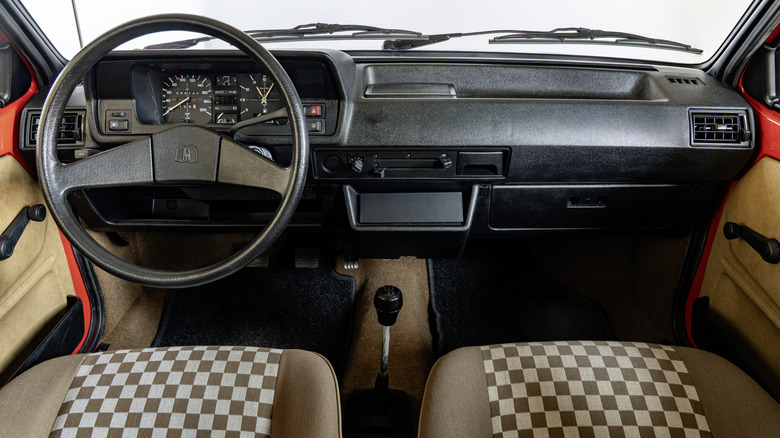
Long before our cars got fancy drive mode selectors, trick cylinder deactivation tech, and varying levels of hybrid assistance, automakers had to get creative with their engineering approach to satisfy the tightening fuel economy standards that arrived during the oil crisis of the late ’70s and early ’80s. Volkswagen’s solution was a special manual gearbox design where the final shift gate was marked with a capital ‘E’. 

The ‘3+E’ and ‘4+E’ setups found in the original VW Golf, Jetta, and the U.S.-spec Rabbit models had nothing to do with electrification. Many drivers at the time understandably assumed that the letter stood for ‘Economy’ or an ‘Extra’ gear. However, Volkswagen documents confirm that the magic word is ‘Efficiency’. Rather than being a new designation for the fourth or fifth gears, the ‘E’ slot engaged an overdrive designed to lower engine speeds, minimize wear, and improve the fuel economy ratings at highway speeds.

Rethinking overdrive for FWD models

The concept of overdrive wasn’t new. Earlier British and European cars often relied on external electro-hydraulic units like the Laycock de Normanville system, which bolted onto the back of a conventional gearbox and was triggered by a dash switch or column stalk. Volkswagen’s approach was different, integrating the tall overdrive ratio directly inside the transaxle’s gear casing of its front-wheel-drive platform, and putting control on the manual shift lever. The ‘3+E’ gearbox of the 1981 VW Rabbit LS was effectively a four-speed casing with wider spacing. 

First, second, and third gears covered roughly 90% of all urban and B-road driving scenarios, while the ‘E’ gear was ideal for highway use thanks to its 0.70:1 overdrive ratio, running through a 3.89:1 final drive. While not a fuel economy record-breaking car by modern standards, when slipping the Rabbit into ‘E’, engine revs dropped to 2,500 rpm at 60 mph, boosting fuel efficiency from 24 mpg on the older four-speed up to 28 mpg, with highway figures reaching 42 mpg. However, this gear was best for holding a certain speed, meaning that drivers had to downshift in order to gain access to the full engine power.

The Formula E package

In Europe, Volkswagen went a step further by introducing a special trim known as ‘Formula E’ (Formel E in German) across its entire lineup between 1981 and 1985. Not to be confused with modern battery-powered Formula E race cars, VW’s system was instead focused on improving efficiency. It was available in the Polo, Golf, Jetta, Scirocco, Passat, and Santana, as well as the Audi 80 and 100 of the same era. The ‘4+E’ transmission was combined with subtle aerodynamic tweaks and an early form of driver coaching. 

An electro-vacuum computer monitored engine load against RPM and illuminated an amber arrow on the instrument cluster signaling the driver to upshift for optimum efficiency. After 1985, the introduction of electronic multi-point fuel injection, variable valve timing, and standardized five- and six-speed manual transmissions rendered these ‘3+E’ and ‘4+E’ setups obsolete. Engineers found ways to achieve superior real-world fuel economy without compromising drivability or forcing drivers to navigate massive gear gaps.

Source: www.carscoops.com — article syndicated from the publisher’s feed; all rights remain with the original publisher.