How Europe’s battery passport could have a big impact on US e-bikes
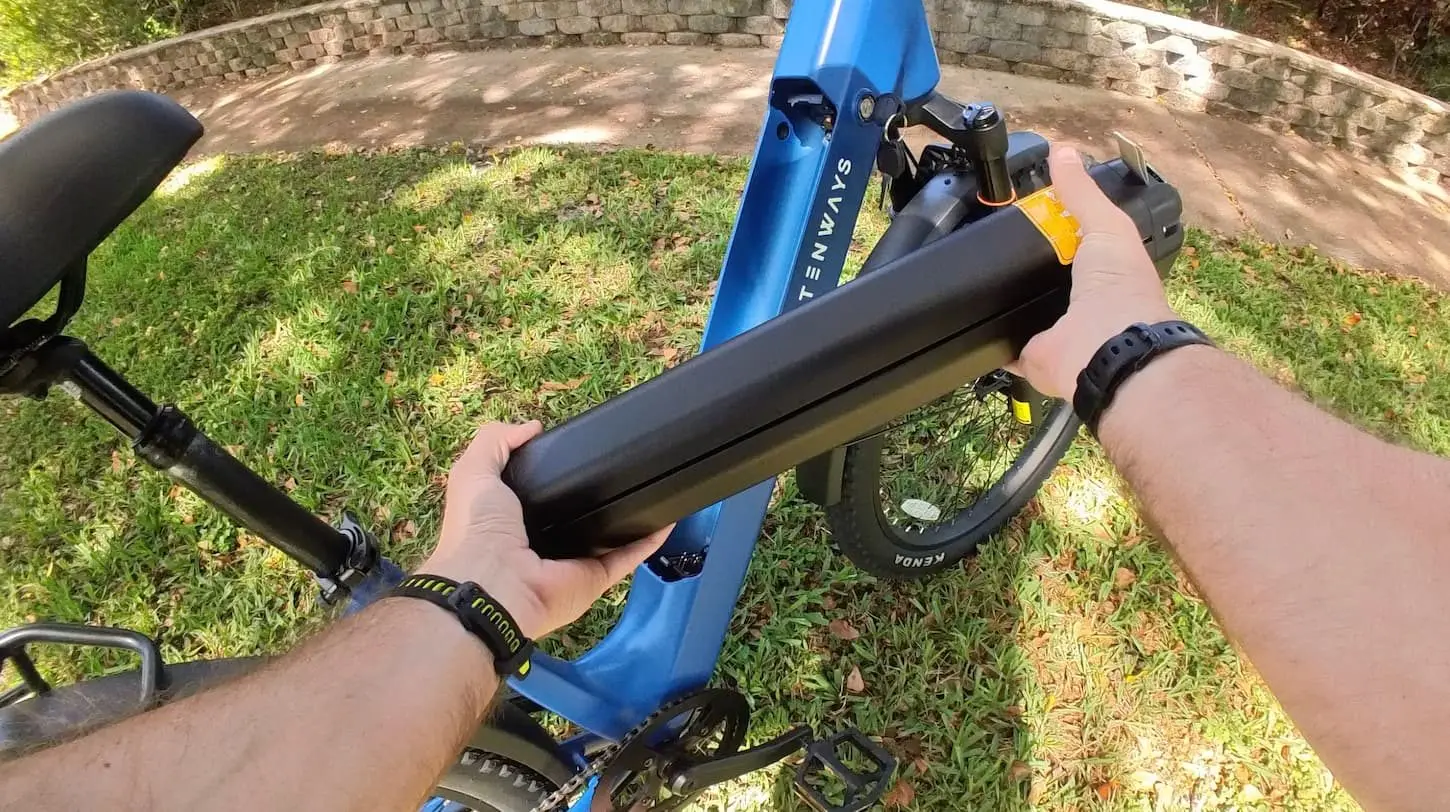
Europe is preparing to introduce a new requirement that could change how electric bicycle batteries are tracked, repaired, recycled, and potentially even resold. Starting in February 2027, new e-bike batteries sold in the European Union will be required to carry a digital battery passport, giving each battery its own digital identity and making important information about its origins and characteristics accessible throughout its lifetime.
And while the rules are European, their impact could eventually reach American e-bike riders, too.
The battery passport requirement comes from the EU’s 2023 Batteries Regulation, which established new standards for battery sustainability, traceability, and transparency. The rules cover several categories of batteries, including those used in electric cars, electric bicycles, electric scooters, and other light electric vehicles.
Beginning February 18, 2027, newly placed batteries in these categories will need digital passports accessible through QR codes. Scanning the code will provide access to information about the battery, though exactly what users can see will depend on their authorization level.
The information can include details such as the battery’s manufacturer, chemistry, capacity, cycle count, carbon footprint, and materials used in its construction. The system also provides for information about battery performance and durability, including data related to battery health and degradation.
That last part could be particularly interesting for electric bicycle owners.
What does this mean for e-bike riders?
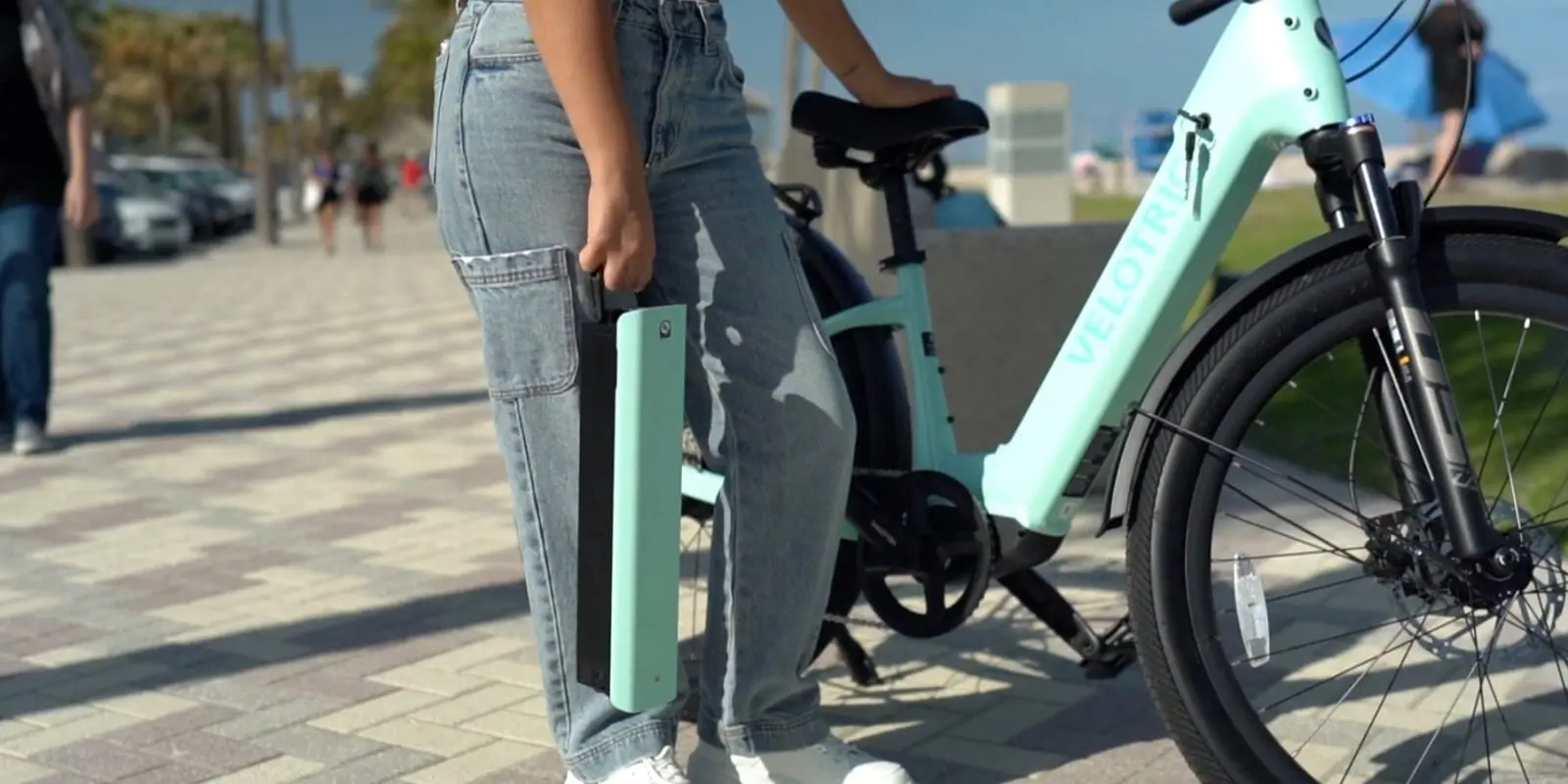
Anyone who has purchased a used electric bicycle knows that the battery is often one of the biggest unknowns. A bike might look nearly new, but its battery could have hundreds of charge cycles under its belt and significantly reduced capacity.
Even a quick test ride before a secondhand e-bike purchase may fail to demonstrate just how little capacity remains in a heavily used battery.
With replacement e-bike batteries costing hundreds of dollars, that’s a pretty important detail.
The battery passport system could eventually help address that problem by making battery information more transparent. However, there’s an important distinction: the regulations don’t necessarily guarantee that everyday consumers will be able to scan a QR code and immediately see a battery’s remaining health percentage. Some of that information may be restricted to authorized users.
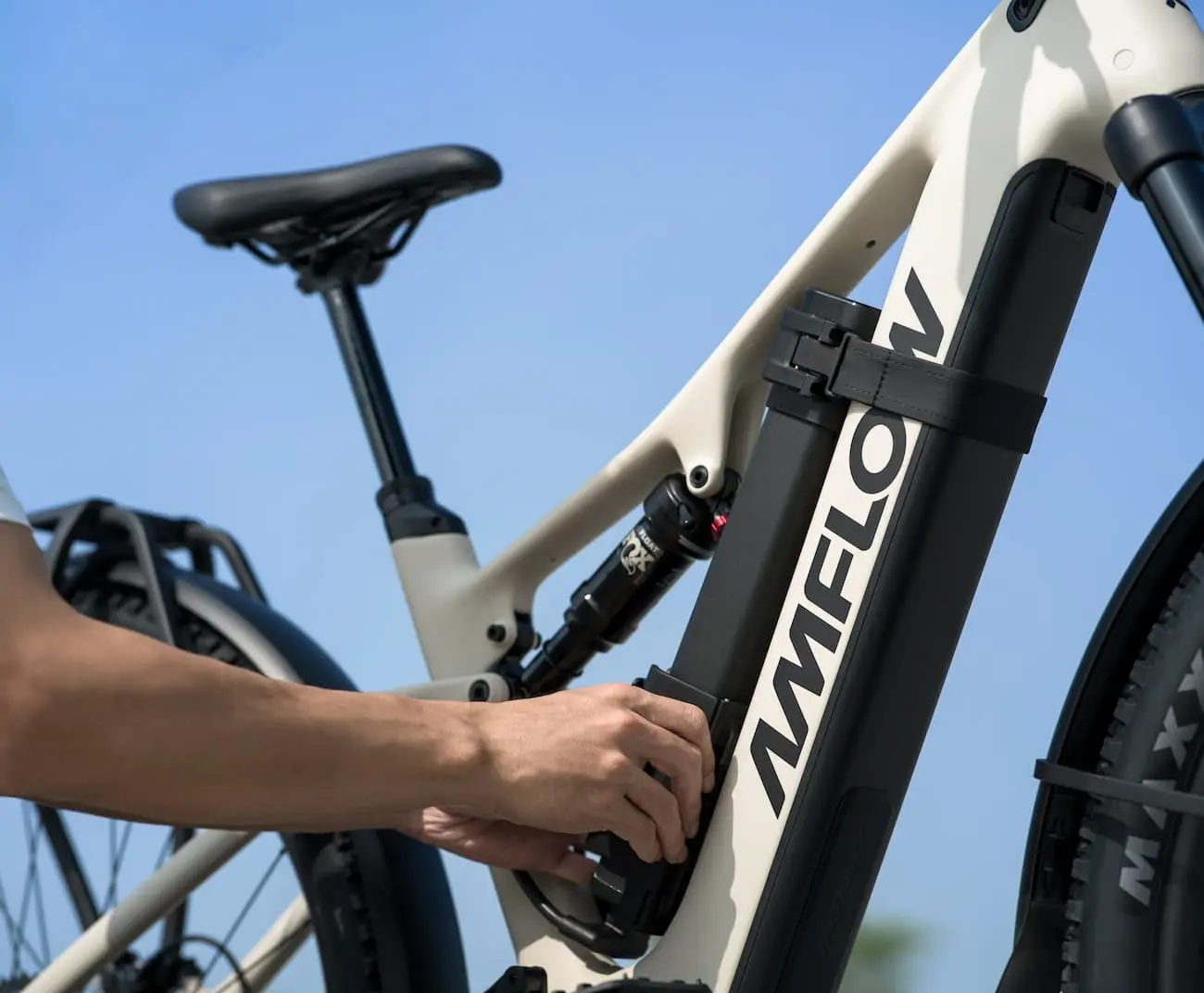
Even so, the system could help repair shops, recyclers, and secondhand buyers better understand the batteries they’re dealing with.
It could also make life more complicated for e-bike manufacturers, especially smaller brands that will now need to ensure their batteries meet the new documentation and traceability requirements.
What about electric bikes in the US?
There’s currently no equivalent nationwide battery passport requirement for electric bicycles in the United States, but that doesn’t mean American riders won’t eventually benefit.
Many major e-bike manufacturers sell their products in both Europe and North America. US-based companies like Trek and Specialized have major markets in Europe, and will have to comply with the new law. Chinese companies and other Asian manufacturers will also need to produce compliant batteries. Once those companies have developed systems to track individual batteries and provide digital passports for their European products, they may find it easier to extend those systems to their American models rather than maintain entirely separate processes.
That doesn’t mean US-bound batteries will automatically receive passports, but it could create an interesting spillover effect.
And considering how expensive e-bike batteries can be, anything that makes it easier to understand their condition, verify their origins, or facilitate repairs could be a welcome development.
For now, Europe is leading the charge on battery transparency. But if the system proves useful, American e-bike riders might eventually get some of the same benefits without waiting for Washington to catch up.