
GM’s $220 million data scandal: Your car was making money while you were driving
The views and opinions expressed by Lauren Fix are those of the author and do not necessarily reflect the views of CBT News.
General Motors wasn’t just collecting information about how you drive. According to court documents filed by the Texas Attorney General, GM built a business around selling that information, collecting payments when insurance companies accessed it, and potentially making even more money by helping other automakers enter the same data-sharing network. And now GM is paying $220 million to settle a multistate investigation. But the drivers whose information was allegedly sold aren’t getting the settlement money.
That’s the part that deserves more attention. The question isn’t simply why GM collected driving information. It’s how many companies were making money from it, how those financial arrangements worked, and why consumers were left out of the payday.
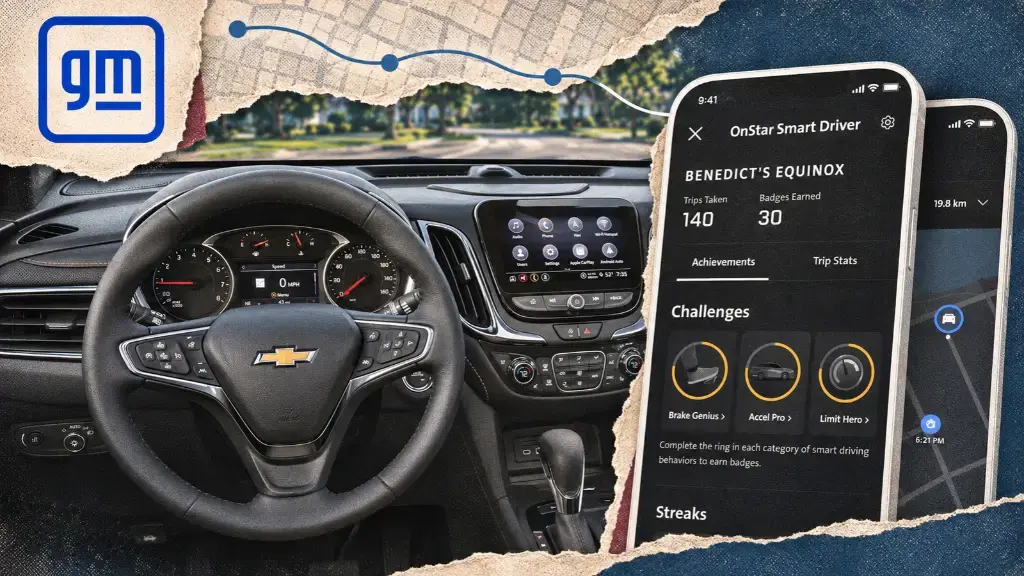
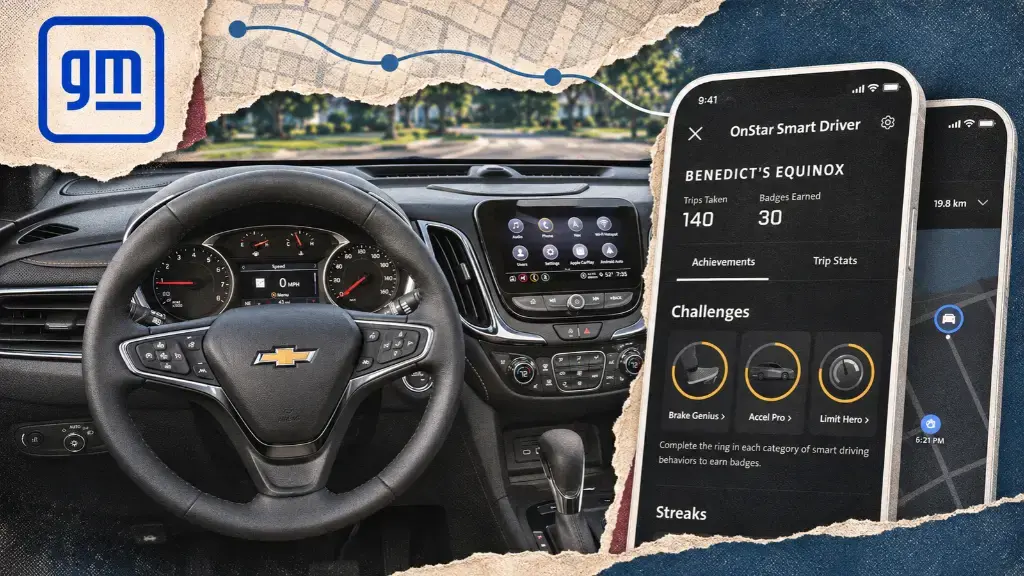
The October 29 settlement involves allegations that GM collected identifiable driving and location information through its OnStar Smart Driver program between 2016 and 2024, then sold it to data brokers that supplied insurance companies. The information included trip times, speed, hard braking, acceleration, and other driving behavior. Some drivers reportedly experienced higher insurance premiums after their information reached insurers. GM did not admit wrongdoing as part of the settlement.
But the $220 million announcement is only part of this story. The financial arrangements described in Texas Attorney General Ken Paxton’s original lawsuit reveal something far more interesting.
GM wasn’t necessarily making money just once.
According to the Texas filing, GM’s 2015 agreement with Verisk included an initial multimillion-dollar payment, followed by ongoing royalty payments based on insurance companies purchasing licenses to access a database containing GM driving information. Verisk was also contractually required to approach other automakers, telecommunications companies, and third parties about contributing their information to the exchange. The filing says Verisk subsequently entered similar agreements with Honda and Hyundai.
Think about the incentive. The more information available through a commercial exchange, the more valuable that database could become to companies purchasing access. GM could receive additional revenue as insurance companies licensed the information, while the network expanded beyond GM vehicles. These are allegations and contractual descriptions in the Texas lawsuit, not findings that every participating company violated the law.
Then there’s the deal with a British connected-car company called Wejo, and this is where the numbers get particularly interesting. In 2018, GM agreed to purchase a 35% ownership interest in Wejo for $25 million. GM also supplied driving information associated with 2.6 million vehicles, which the Texas filing valued at $70 million. Wejo was authorized to license access to the information to other companies, including businesses outside the insurance industry, subject to GM’s approval.
The contract described a minimum monthly licensing revenue target of $3 million, with Wejo agreeing to pay GM 70% of that revenue. Wejo also agreed to reimburse GM if it failed to meet the monthly target. The relationship continued until Wejo declared bankruptcy in May 2023.
And here’s a detail that should make every driver pay attention: GM eventually provided Wejo with radio-listening data. According to the Texas filing, that information included ignition timestamps, AM/FM frequencies, station call signs, time zones, and radio genres. Your driving habits were one thing, but why was your radio listening information becoming part of a commercial data business?
This is how the connected-car business becomes much bigger than a manufacturer collecting information to improve vehicle performance. Driving data can be packaged, licensed, analyzed, and sold to companies in multiple industries. The vehicle owner generates the information, but the commercial value can travel through several businesses before the consumer even realizes what’s happening.
And GM isn’t the only automaker facing scrutiny. In April 2026, Montana’s attorney general opened an investigation into Ford and Stellantis over allegations involving the collection and sale or licensing of vehicle information to third parties. That investigation shows regulators are looking beyond GM’s discontinued Smart Driver program.
Now let’s return to the $220 million. Thirty-six attorneys general secured the settlement, but the money goes to participating states, not directly to affected drivers. Michigan Attorney General Dana Nessel explicitly confirmed that consumer restitution is not included. A separate private class-action lawsuit seeking monetary relief remains pending, but there is no approved consumer payout from that case.
So who actually gets compensated? The states receive millions, GM agrees to new privacy requirements, and the drivers who may have paid higher insurance premiums are still waiting for answers.
That’s a pretty convenient outcome for everyone except the consumer.
Automakers need to explain what they’re collecting, who is buying it, and how much money changes hands. Insurance companies should disclose when driving information influences rates, and consumers deserve the ability to challenge inaccurate records before those records affect their wallets.
Your car may be collecting the information, but somebody else is collecting the profits.
If a company can make money from your driving habits, should you receive a share? And if your information was used to increase your insurance premium, shouldn’t you be entitled to a refund? Show me the money!
The $220 million GM settlement may close one chapter, but the financial arrangements behind this business deserve a much closer look. Consumers should not have to discover that their driving has become a revenue stream after the damage is already done.
Check out my full commentary on this story: https://youtu.be/2jK6DsXmybo
Looking for more automotive news? https://www.CarCoachReports.com
Listen and subscribe to The Drive with Lauren and Karl – https://www.youtube.com/@thedrivecarshow