
ACVA $10.50 ADNT $17.13 -0.38% ▼ ADSE $9.21 +1.43% ▲ AAP $48.10 -3.81% ▼ AEVA $9.21 -8.63% ▼ ALSN $116.35 -3.46% ▼ APTV $40.88 -5.58% ▼ ARBE $0.41 -2.61% ▼ ABG $207.05 -0.99% ▼ AML.L -2.83% ▼ AMV0.DE -4.14% ▼ AUR $4.03 -1.67% ▼ ALV $124.01 -1.32% ▼ AN $187.97 +2.43% ▲ AZO $3,312.26 -0.44% ▼ BMW.DE +0.43% ▲ BEEM $0.71 -10.08% ▼ BLNK $0.41 -12.54% ▼ BWA $47.50 -5.75% ▼ 5108.T +6.16% ▲ 1211.HK +4.70% ▲ CARG $36.16 -0.99% ▼ KMX $52.72 -4.37% ▼ CARS $13.53 +6.12% ▲ CVNA $72.17 -6.97% ▼ CHPT $10.93 -1.04% ▼ DAN $22.23 -6.28% ▼ DORM $139.48 -2.06% ▼ DRVN $12.08 +1.43% ▲ EVGO $1.75 -3.59% ▼ RACE $422.69 -1.57% ▼ F $12.52 -1.26% ▼ FRVIA.PA -0.76% ▼ GTX $19.35 -2.12% ▼ 0175.HK +6.49% ▲ GM $89.18 -3.66% ▼ GNTX $20.21 -2.93% ▼ GEST.MC -5.20% ▼ 2333.HK +4.82% ▲ GPI $266.36 -2.43% ▼ 2238.HK +4.02% ▲ HSAI $12.82 -2.17% ▼ HMC $36.24 +2.97% ▲ 005380.KS +3.71% ▲ INVZ $0.20 -13.44% ▼ KEMPOWR.HE -7.05% ▼ LEA $113.97 -3.90% ▼ 373220.KS -1.84% ▼ LI $11.94 +3.24% ▲ LNR.TO -5.57% ▼ LAD $316.95 +0.41% ▲ LKQ $20.54 -1.91% ▼ LCID $2.97 -11.34% ▼ MGA $62.77 -4.28% ▼ M&M.NS +5.59% ▲ MRE.TO -4.62% ▼ MARUTI.NS +5.48% ▲ 7261.T +9.48% ▲ MBGYY $11.91 ML.PA -0.12% ▼ 7211.T +13.48% ▲ MBLY $5.13 -3.95% ▼ MOD $90.92 -7.42% ▼ NAAS $1.53 -22.47% ▼ NIO $3.20 -3.02% ▼ 7201.T +11.00% ▲ ORLY $91.49 -0.92% ▼ OPLN $35.62 -2.94% ▼ OPM.PA -1.58% ▼ OUST $30.50 -8.41% ▼ 6752.T -8.60% ▼ PAG $212.24 -0.03% ▼ PHIN $69.04 -2.47% ▼ PIRC.MI +0.15% ▲ PSNY $4.06 -13.59% ▼ PONY $4.47 -6.00% ▼ P911.DE +0.45% ▲ QS $4.11 -7.63% ▼ RNO.PA -0.07% ▼ RIVN $13.27 -5.21% ▼ 006400.KS -5.74% ▼ SAH $62.52 -2.48% ▼ STLA $4.43 -5.44% ▼ 7270.T +8.67% ▲ 5110.T +9.41% ▲ 7269.T +8.44% ▲ TSLA $343.69 -10.08% ▼ GT $4.45 -0.56% ▼ 5101.T +12.14% ▲ 5105.T +8.30% ▲ TM $219.15 +9.90% ▲ FR.PA -0.46% ▼ VVV $35.84 -0.94% ▼ VFS $3.21 -3.31% ▼ VC $77.48 -1.92% ▼ VOW3.DE +0.84% ▲ VOLCAR-B.ST +1.02% ▲ WBX $2.63 -2.05% ▼ WRD $4.05 -9.04% ▼ XPEV $9.60 -2.71% ▼ ACVA $10.50 ADNT $17.13 -0.38% ▼ ADSE $9.21 +1.43% ▲ AAP $48.10 -3.81% ▼ AEVA $9.21 -8.63% ▼ ALSN $116.35 -3.46% ▼ APTV $40.88 -5.58% ▼ ARBE $0.41 -2.61% ▼ ABG $207.05 -0.99% ▼ AML.L -2.83% ▼ AMV0.DE -4.14% ▼ AUR $4.03 -1.67% ▼ ALV $124.01 -1.32% ▼ AN $187.97 +2.43% ▲ AZO $3,312.26 -0.44% ▼ BMW.DE +0.43% ▲ BEEM $0.71 -10.08% ▼ BLNK $0.41 -12.54% ▼ BWA $47.50 -5.75% ▼ 5108.T +6.16% ▲ 1211.HK +4.70% ▲ CARG $36.16 -0.99% ▼ KMX $52.72 -4.37% ▼ CARS $13.53 +6.12% ▲ CVNA $72.17 -6.97% ▼ CHPT $10.93 -1.04% ▼ DAN $22.23 -6.28% ▼ DORM $139.48 -2.06% ▼ DRVN $12.08 +1.43% ▲ EVGO $1.75 -3.59% ▼ RACE $422.69 -1.57% ▼ F $12.52 -1.26% ▼ FRVIA.PA -0.76% ▼ GTX $19.35 -2.12% ▼ 0175.HK +6.49% ▲ GM $89.18 -3.66% ▼ GNTX $20.21 -2.93% ▼ GEST.MC -5.20% ▼ 2333.HK +4.82% ▲ GPI $266.36 -2.43% ▼ 2238.HK +4.02% ▲ HSAI $12.82 -2.17% ▼ HMC $36.24 +2.97% ▲ 005380.KS +3.71% ▲ INVZ $0.20 -13.44% ▼ KEMPOWR.HE -7.05% ▼ LEA $113.97 -3.90% ▼ 373220.KS -1.84% ▼ LI $11.94 +3.24% ▲ LNR.TO -5.57% ▼ LAD $316.95 +0.41% ▲ LKQ $20.54 -1.91% ▼ LCID $2.97 -11.34% ▼ MGA $62.77 -4.28% ▼ M&M.NS +5.59% ▲ MRE.TO -4.62% ▼ MARUTI.NS +5.48% ▲ 7261.T +9.48% ▲ MBGYY $11.91 ML.PA -0.12% ▼ 7211.T +13.48% ▲ MBLY $5.13 -3.95% ▼ MOD $90.92 -7.42% ▼ NAAS $1.53 -22.47% ▼ NIO $3.20 -3.02% ▼ 7201.T +11.00% ▲ ORLY $91.49 -0.92% ▼ OPLN $35.62 -2.94% ▼ OPM.PA -1.58% ▼ OUST $30.50 -8.41% ▼ 6752.T -8.60% ▼ PAG $212.24 -0.03% ▼ PHIN $69.04 -2.47% ▼ PIRC.MI +0.15% ▲ PSNY $4.06 -13.59% ▼ PONY $4.47 -6.00% ▼ P911.DE +0.45% ▲ QS $4.11 -7.63% ▼ RNO.PA -0.07% ▼ RIVN $13.27 -5.21% ▼ 006400.KS -5.74% ▼ SAH $62.52 -2.48% ▼ STLA $4.43 -5.44% ▼ 7270.T +8.67% ▲ 5110.T +9.41% ▲ 7269.T +8.44% ▲ TSLA $343.69 -10.08% ▼ GT $4.45 -0.56% ▼ 5101.T +12.14% ▲ 5105.T +8.30% ▲ TM $219.15 +9.90% ▲ FR.PA -0.46% ▼ VVV $35.84 -0.94% ▼ VFS $3.21 -3.31% ▼ VC $77.48 -1.92% ▼ VOW3.DE +0.84% ▲ VOLCAR-B.ST +1.02% ▲ WBX $2.63 -2.05% ▼ WRD $4.05 -9.04% ▼ XPEV $9.60 -2.71% ▼
Automotive industry news, organized — automakers, EVs, suppliers, mobility & public-company announcements.

Hyundai Patents Wheels That Can Close Their Own Spokes At Speed
November 5, 2026 · by APW Pipeline

The wheels could improve cooling and aerodynamic efficiency without making sacrifices

Hyundai/USPTO

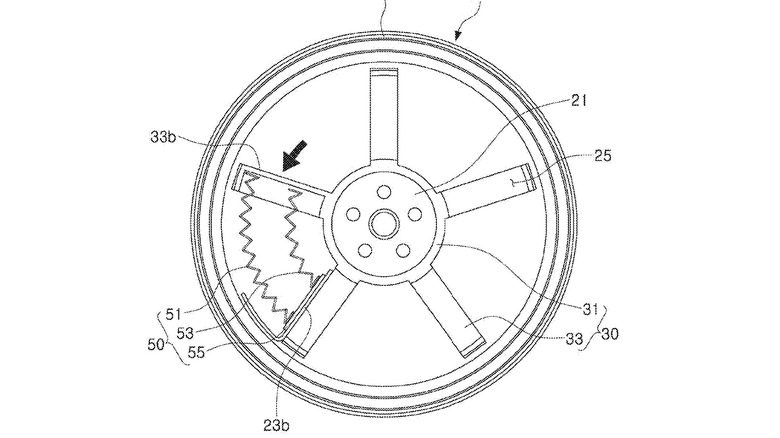
The humble automotive wheel has long faced a compromise. Open spokes allow plenty of airflow to help cool the brakes and other components. Wheels with closed or mostly closed faces don’t get that benefit, but they are considerably more aerodynamic. Now, Hyundai and Kia are working on a way to have both. Their latest patented wheel design features movable blades that can effectively seal the openings between spokes when improved aerodynamics matter most.

The companies received US Patent 12,779,902 B2 on November 3, 2026, for a wheel that can switch between open and closed configurations. The underlying application was first published in June 2025, but the newly granted patent offers a potentially clever solution to an age-old engineering compromise. If the automaker can make the technology work in development, putting it into production could help drivers save fuel without committing to closed-face wheels or losing brake cooling.

One wheel with two positions

Hyundai/USPTO

The basic concept is very simple here. The newly patented wheels have a separate assembly behind the conventional spokes. That assembly features a rotating central ring and several blades. When the ring rotates in one direction, it moves the blades into a position behind the openings between the fixed spokes. That shift effectively improves how slippery the wheel is in the wind. Then, when those blades go back and hide behind the spokes, the airflow can get back to the brakes for cooling.

To be clear, the structural spokes on the wheel do not move. The only thing moving within the wheel assembly is the ring and blades. Hyundai mentions more than one way to make that ring-and-blade assembly work. Those options include electric motors, hydraulics, or pneumatic actuators. The automaker also mentions a shape-memory alloy component that changes length when electronically activated.

That component pushes the internal assembly into its closed position. A spring or similar elastic mechanism then pulls it back when the actuator releases. Hyundai also describes a small control board mounted within the wheel to manage the system. If it wasn’t obvious before, this wheel sounds very complex and probably very expensive to replace if something goes wrong.

Better aero without cooking the brakes

Hyundai/USPTO

All this complexity comes down to optimizing the wheel for whatever it’s doing. At highway speeds, Hyundai estimates that wheels and tires account for approximately 25% of a vehicle’s aerodynamic resistance. That’s a huge amount of drag, so reducing it could increase range whether the vehicle is electric or not. Of course, permanently sealing those openings creates another problem. Brakes generate considerable heat, and restricting airflow makes cooling them more difficult.

That said, these wheels work well because on the highway, drivers typically aren’t using their brakes constantly. As a result, they rarely get overly hot. In other places, say around town, or descending from a mountain, overheating brakes are far more likely. That’s where being able to open the wheels up and cool the brakes and other components can really pay off.

For now, Hyundai isn’t saying if the system would activate at a specific speed or exactly how much drag the system would eliminate. Frankly, the design could just end up on the shelf like plenty of other patents we’ve reported on. Still, the underlying idea seems like a reasonable one. Especially given that every automaker is interested in marginal gains where fuel economy and range are considered.

Source: www.carscoops.com — article syndicated from the publisher’s feed; all rights remain with the original publisher.