
As Jackery Inventory Sells Out, Are Portable Batteries Set To Take Off?
Support CleanTechnica’s work through a Substack subscription, on Patreon, or on Stripe. Help us produce all of the high-quality, original content we publish week after week despite the challenges of content-scraping AI, antisocial media, inflation, and other hurdles.
I recently wrote reviews of the new Jackery HomePower 1000 Plus v2 and Explorer 100D. A few days later, a connection with Jackery messaged me that their Black Friday/Cyber Monday products had largely sold out. Just three days after launching on November 1. This includes 1000, 2000, 3600 and 5000 portable power and solar generator models. Additional models have sold out since then or will likely sell out soon. The recently launched Explorer 100D is still available in limited quantities at Walmart and Costco.
While Jackery will still take orders for Black Friday/Cyber Monday sales, most models currently listed for purchase will be on a preorder basis. Customers should check estimated delivery dates. Some restocking is expected in late November, although broader inventory availability may not recover until early next year.
While much of America was recovering from Halloween and election victory parties, portable batteries were selling out. This wasn’t the result of limited supply, but rather a massive, unanticipated increase in demand.
Between October 19th and 26th, Jackery retail sales increased 755% at Costco, 106% at Walmart, 297% at The Home Depot and 442% at Lowes. For added perspective, at Costco alone, sales increased from 2379 to 20,343 over that one week.
Jackery is looking into what’s behind the massive increase in demand. Clearly, there have been climate-related disasters over the past year, including hurricanes and wildfires. Jackery’s collaboration with the Red Cross helps illustrate the benefits of portable power in emergency response. However, that only partially explains the growth.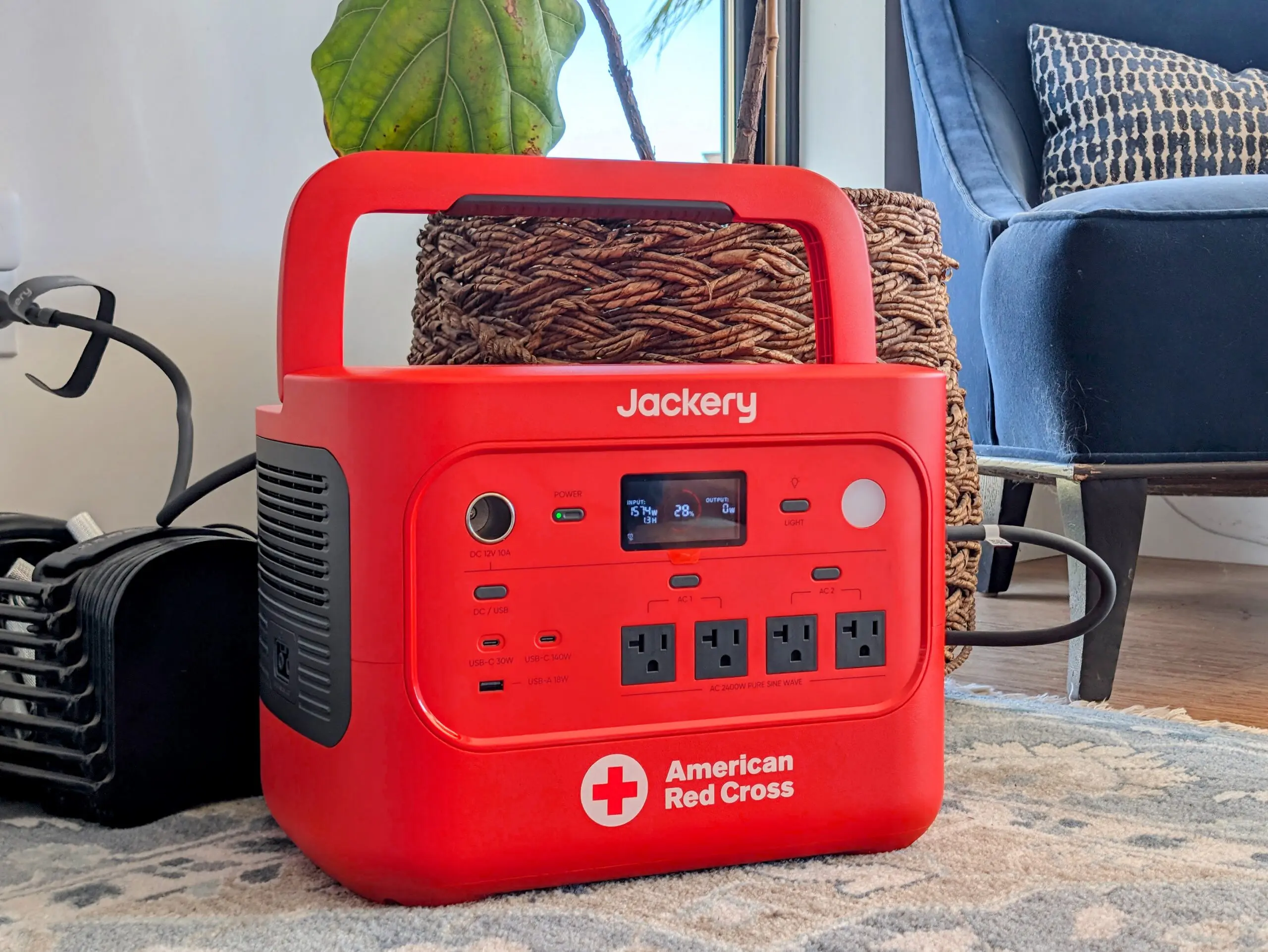
A related potential explanation is the growing push for household preparedness. There are reports of at least 17 countries encouraging people to keep three to seven days of food, water and other essentials. Winter storm season, grid strain and rising energy costs could be stoking fears of potential power outages. The US FORTRESS America initiative has also added an emphasis on resilience. Together, these signals may be pushing “preparedness” beyond food and water to include power.
Preparedness is gaining emphasis with power becoming an increasingly important part of being prepared. The fear of “what if” can be a powerful motivator. Having backup power can keep the air handlers working for people’s furnaces. People on well water can keep the pumps running. Backup power can keep refrigerators full of food from spoiling.
Overall, Jackery is the global leader in solar generator sales volume and was named the “World’s No.1 Solar Generator Brand” by Frost & Sullivan. With over 15 years of experience and extensive safety protocols, the brand is well established. For the purchase of a product that manages risks, having a trusted brand is clearly valuable.
Preparedness As A Gateway To Energy Independence & Sustainability
Although there has not been a detailed study of the consumer motivations, preparedness is likely a major motivator. However, versatile portable power stations have additional benefits. I keep finding new ways to use the HomePower 1000 Plus V2. And new possible benefits keep opening up.
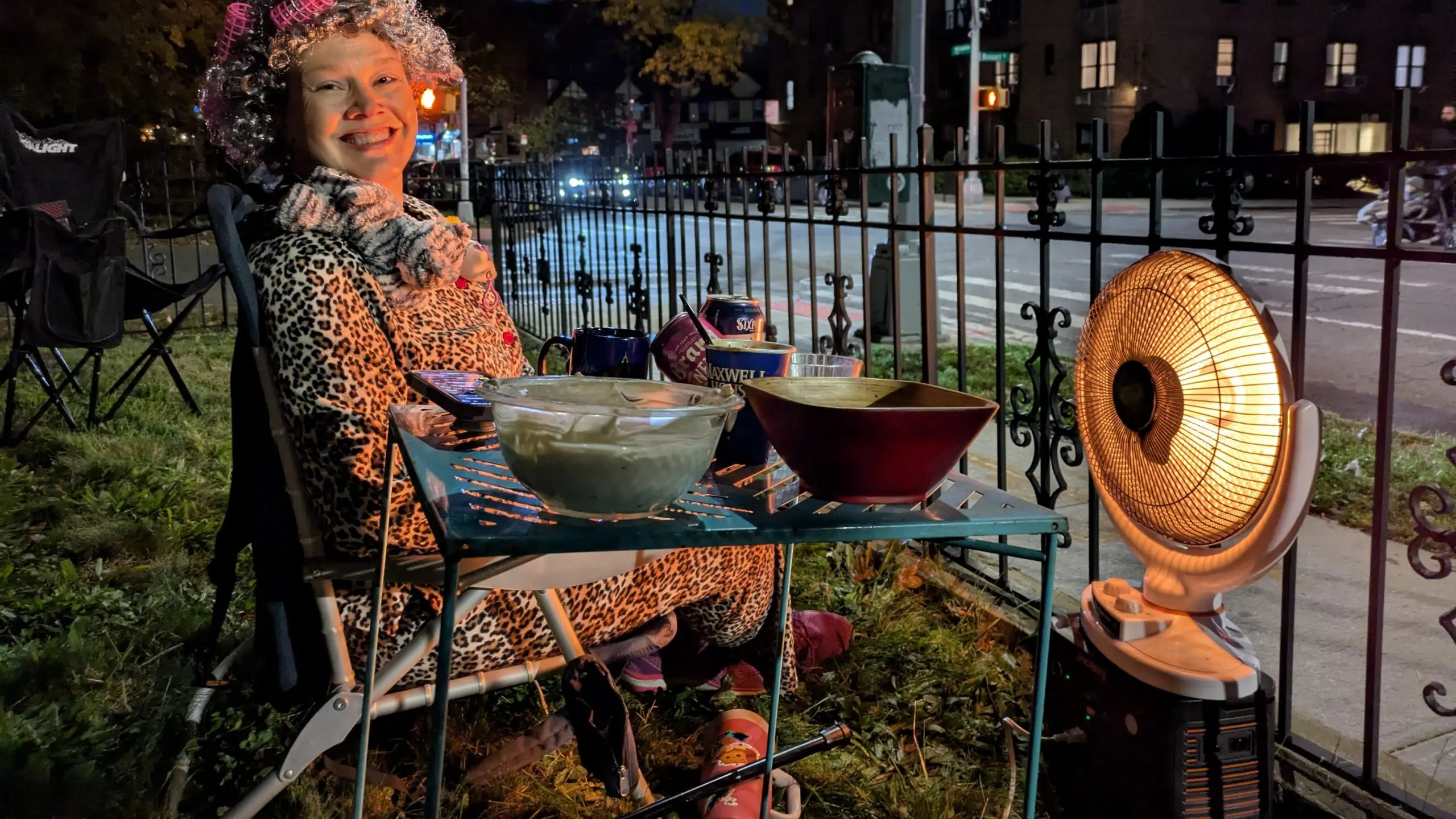
Beyond providing emergency power, I can take power with me. I can set up an office remotely. I can run and recharge tools away from an outlet. I can power a radiant heater for a few hours while sitting outdoors. I can power an air conditioner for hours or run a fan all day. I can make coffee and cook food. In many ways, the batteries can replace functions once covered not just by a generator, but also a campfire or grill.
While using the battery, I also became more aware of my electricity usage. Seeing how quickly different appliances deplete the battery makes me realize where my utility bill is really going. Some things use less electricity than I anticipated, and some use far more. That awareness helps me to reduce my overall consumption.
And the UPS function can also save delicate equipment, as well as any work on computers and other machinery during a power disruption. I personally would not run a large print on my 3D printer without the backup battery. Providing stable power can extend the lifespan of many expensive devices.
The ability to integrate solar panels provides an additional level of preparedness, allowing the battery to be recharged by the sun when grid power is not available. However, solar can also charge the battery for daily use. While this may not yet be able to feed into the grid without additional equipment, people can reasonably use solar power fed into the battery to replace grid power at the point of use. When the regulations are figured out, balcony solar could expand the possibilities. All this can reduce people’s energy costs.
The battery can provide power when they need it, rather than just when the sun is shining. And when connected to the grid with a time of use (TOU) plan, it can charge when electricity is inexpensive and provide power when it is expensive. The savings from this alone could pay for the battery and start saving people money on their utility bills. And the grid becomes more stable in the process.
If the current battery capacity is not enough, Jackery makes expandible batteries to add more capacity.
In addition, the portable, scalable batteries can form the foundation of a whole home system. With greater utility communication, the added capacity could open up new possibilities for users to benefit while they help stabilize the grid. And they still benefit from the backup power. In addition, after seeing the capabilities, some people may even be inspired to look into going off-grid.
Of course, Jackery is likely not the only company seeing a surge in sales. I hope consumer demand and adoption is rising across the board. With a low barrier to entry and the ability to provide a level of preparedness, sales of portable batteries are likely to continue to grow.
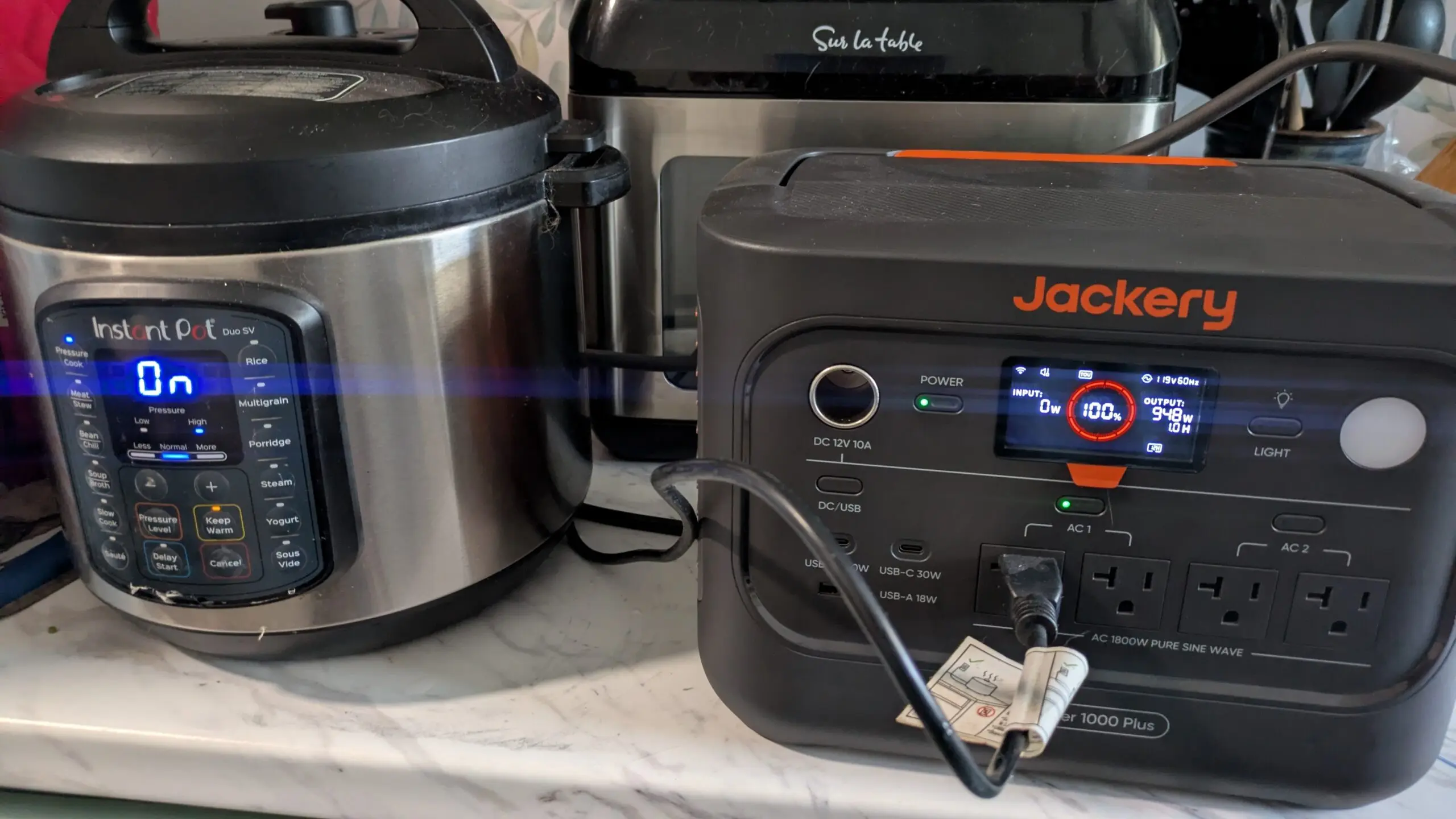
Jackery is actively focused on removing the barriers to entry. Then the benefits of battery backup and portable power can be realized by more people. As more people see the benefits of portable expandable batteries, more people will want them. As more battery capacity is deployed, more applications can become viable. That not only has the ability to make homes more resilient, but also to build a more resilient grid. With the ability to shift consumption through distributed storage, more renewable energy can be utilized.
People who may have bought originally for preparedness will start to realize the broader benefits of their purchase. When people benefit from something, they will tend to rationalize it. This typically works better to change perspectives than trying to start with a rational argument. When people feel the relief of having backup power available for “what if,” they can then expand upon that with greater feelings of independence. Once they personally benefit from the storage that enables greater renewable adoption, they may increase their support for renewable energy. By addressing fears of “what if,” people may open themselves to thinking about “what’s possible.”
Of course, this might just be a temporary sales blip. But it could also be the start of a rapid expansion in home battery use. That could open up a wide range of new possibilities.
Sign up for CleanTechnica’s Weekly Substack for Zach and Scott’s in-depth analyses and high level summaries, sign up for our daily newsletter, and follow us on Google News!
Have a tip for CleanTechnica? Want to advertise? Want to suggest a guest for our CleanTech Talk podcast? Contact us here.
Sign up for our daily newsletter for 10–15 new cleantech stories a day. Or sign up for our weekly one on top stories of the week if daily is too frequent.
CleanTechnica uses affiliate links. See our policy here.
CleanTechnica’s Comment Policy